유길준 兪吉濬
Enlightenment thinker and statesman who wrote Seoyu Gyeonmun; vice minister of the Interior during the Gabo Reforms; pen name Gudang
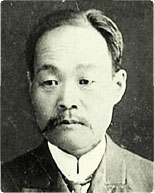
| Life | 1856 ~ 1914 |
| Era | 조선 말기·대한제국기 |
| Clan | 기계 유씨 |
Life & career
Yu Gil-jun (1856-1914) was a late Joseon enlightenment thinker and statesman of the Gigye Yu clan. Born in Gyedong, Hanseong, he died in Gyeongseong in 1914.
He went to Japan in 1881 as an attendant of the Gentlemen's Observation Mission and studied at Keio, then travelled to the United States in 1883 with the Korean mission and stayed to study. After returning in 1885 he was under house arrest until 1892, and during that time wrote Seoyu Gyeonmun, an account of the West.
During the Gabo Reforms of 1894-95 he served as a foreign-affairs counsellor and vice minister of the Interior, and fled to Japan after the 1896 royal refuge at the Russian legation. He was detained for about four years from 1900, opposed the 1905 protectorate treaty, and is said to have refused a Japanese title after the 1910 annexation. His best-known works are Seoyu Gyeonmun (1895) and Joseon Munjeon, described as the first modern Korean-language grammar.
Study Abroad and Seoyu Gyeonmun
Yu Gil-jun was among the earliest Korean students abroad, in Japan in 1881 and the United States in 1883. He is also said to have handled practical work for the Hanseong Sunbo newspaper in 1883.
Seoyu Gyeonmun, published in 1895, is known for introducing Western institutions and civilization in mixed Korean-Chinese script.
Gabo Reforms and Exile
During the Gabo Reforms he served as a foreign-affairs counsellor and vice minister of the Interior. After the Kim Hong-jip cabinet collapsed with the 1896 royal refuge he fled to Japan.
He was arrested in 1900 while planning a return and is said to have opposed the 1905 treaty.
Grave
The location of his grave was not confirmed here.
Descendants
Wikipedia lists his sons Yu Man-gyeom and Yu Eok-gyeom and his niece Yu Gak-gyeong among relatives.