Jokbo (族譜) — the Korean genealogy book: meaning, types, how to read one, finding your family's jokbo and making one online
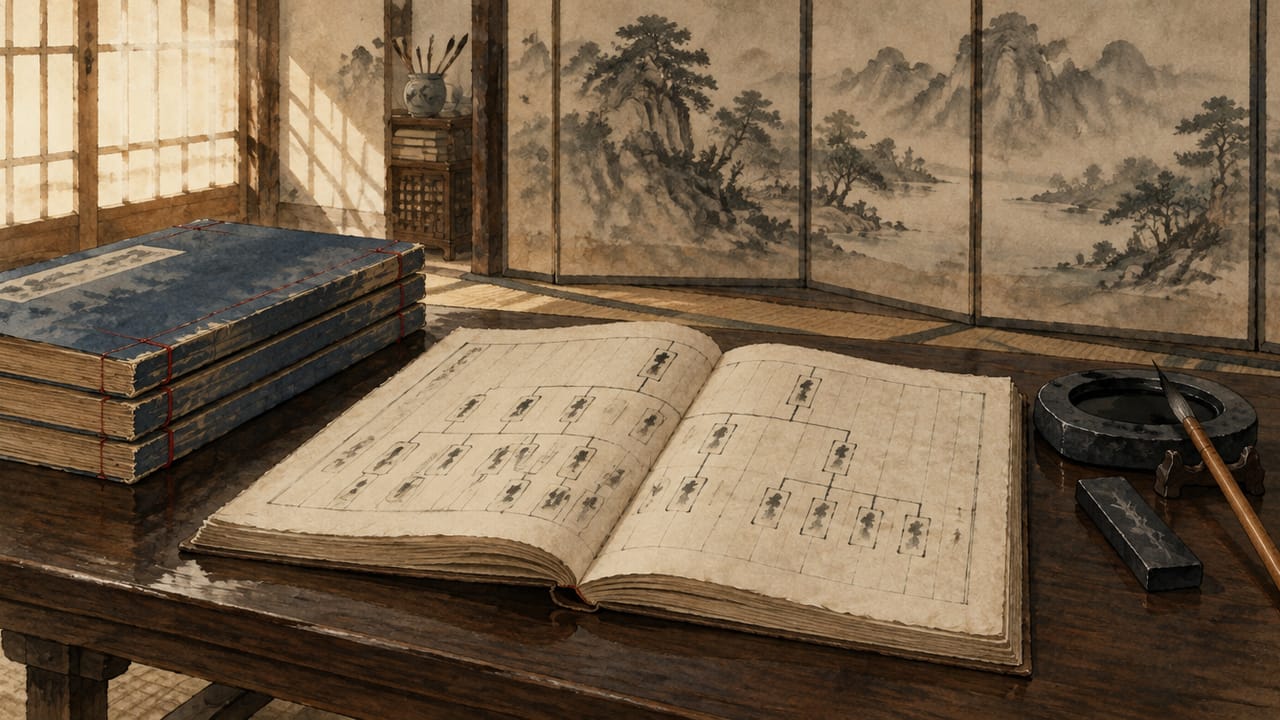
A jokbo is the Korean genealogy record that traces a family line generation by generation, from the founding ancestor of a surname and clan seat (bon-gwan) down to you. This page explains what a jokbo is, its history and types, how to read one and how to find your own family's jokbo, and links to guides for 117 Korean clans.
What is a jokbo? — meaning and what it records
A jokbo (族譜) is a book recording the bloodline of one kin group descended from a common founder. After a preface explaining the founder and the origin of the bon-gwan, it lists each generation (se, 世) with every person's name, courtesy name (ja) and pen name (ho), years of birth and death, offices and deeds, the spouse's bon-gwan and surname, burial site, and even adoptions in or out of the line. A jokbo is therefore both a family history and a map that tells you which founder you descend from, in which generation, and which branch (pa) you belong to.
A short history of the jokbo
Systematic jokbo flourished from the early Joseon dynasty. The Yeongnak-bo of the Munhwa Ryu clan (1423) is cited as one of the earliest, but only its preface survives; the earliest jokbo that survives as a book is the Seonghwa-bo of the Andong Kwon clan (1476). By late Joseon most clans had a jokbo, and in modern times clans have kept publishing new editions of their great combined jokbo (daedongbo) and branch jokbo (pabo). Today more families are moving paper jokbo into digital form so they can be corrected and continued together.
Types of jokbo
- Daedongbo (大同譜) — the largest jokbo, covering every branch under one founder
- Pabo (派譜) — a jokbo of a single branch (pa)
- Sebo (世譜) — a multi-generation record, used much like a pabo
- Gaseungbo (家乘譜) — a short record of one household, mainly the direct line
- Manseongbo (萬姓譜) — a compendium gathering many surnames
How to read a jokbo — generations, hangnyeol and notation
A jokbo counts the founder as the 1st generation and numbers downward. Members of the same generation share a common character in their names (the hangnyeol-ja), so a name alone hints at someone's generation. In vertically written jokbo, generations run top to bottom and pages are read right to left. 配 (bae) marks a spouse, 出 (chul) and 系 (gye) mark adoption out of and into a line, and 無後 (muhu) means no descendants. See the bon-gwan, pa & hangnyeol guide and the guide to adoption records.
How to find your family's jokbo
- Confirm your surname and bon-gwan — the same surname with a different bon-gwan is a different family. Find yours in the clan list below.
- Identify your branch (pa) — ask family elders, or narrow it down from ancestral tablets, gravestones and generational names.
- Check earlier generations — a family register (jejeok deungbon) documents names and bon-gwan back to your great- and great-great-grandparents.
- Consult the jokbo — look at the daedongbo or pabo published by your clan association. The National Library of Korea, the Jangseogak archive and the Korea Jokbo Museum in Daejeon also hold many clans' jokbo.
- Organize it online — enter the ancestors you've confirmed into JokboWorld one by one, and the generational tree arranges itself.
Make an online jokbo — JokboWorld
JokboWorld is an online, digital jokbo service for drawing your family's jokbo on the web and in the app. Connect parents, children, spouses and siblings and the generations line up automatically, with bon-gwan, branch, hangnyeol and adoption ties shown. Invite family to fill it in together and save the finished jokbo as a PDF. See also how to make a family tree online.
jokbo online — it's JokboWorld
From powerful, easy family-tree drawing to clan boards, sending mail, and invitations that link straight to a person's card in the tree!
Start your family tree free →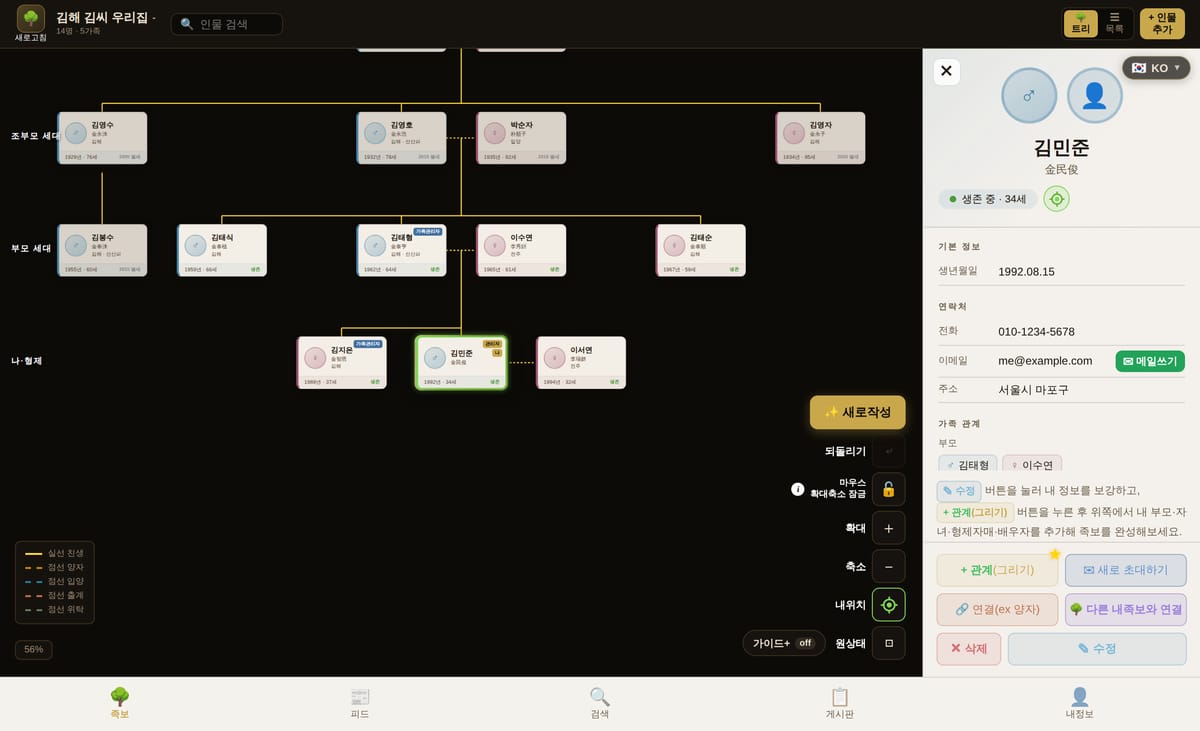
Tap a card and choose [Relationship] — parents, children, spouses and siblings line up by generation automatically. Adoption, bon-gwan, branch and hangnyeol all on one screen.
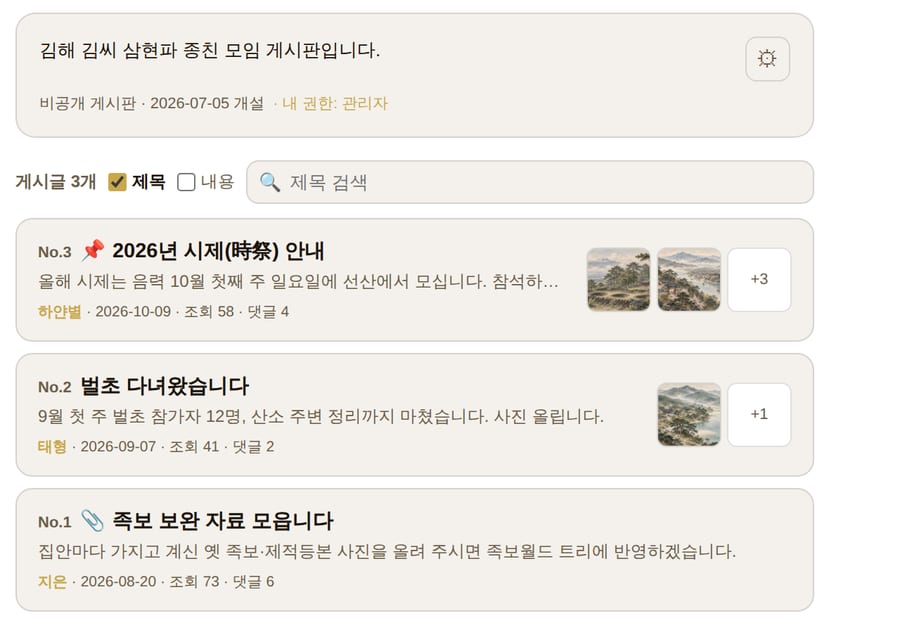
Share clan-association notices, photos of ancestral rites and grave tending, and jokbo materials within your own family.
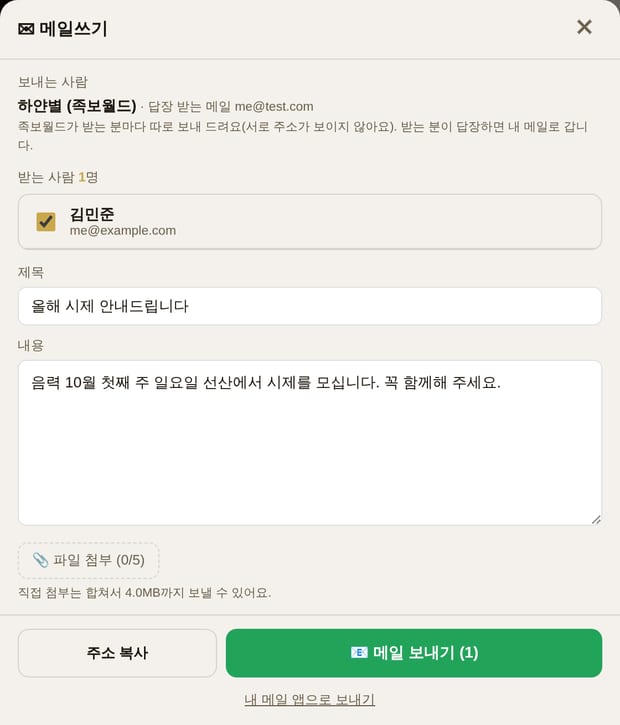
Email people in your tree and board members right from JokboWorld — one message per recipient, with replies coming to your own inbox.
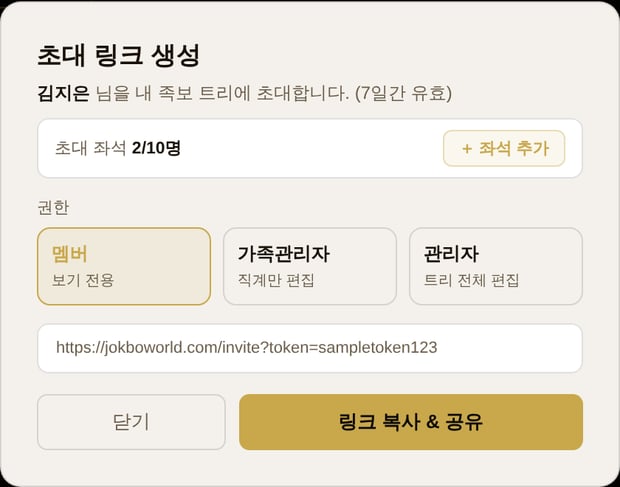
Invite someone to their own card in the tree: when they sign up the card becomes "me", with member, family-admin or admin rights applied as set.
Korea's royal family trees and clan founder lineages, drawn with JokboWorld
We have drawn the royal lineages of Goguryeo, Baekje, Silla, Goryeo and Joseon as JokboWorld trees and made them public. Tap a picture to open that dynasty's tree.
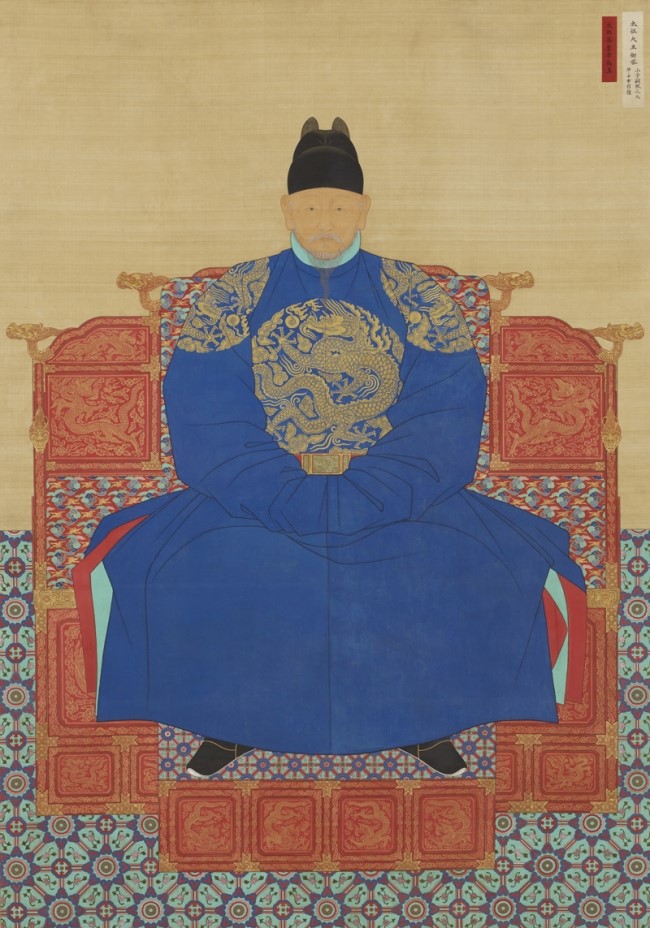
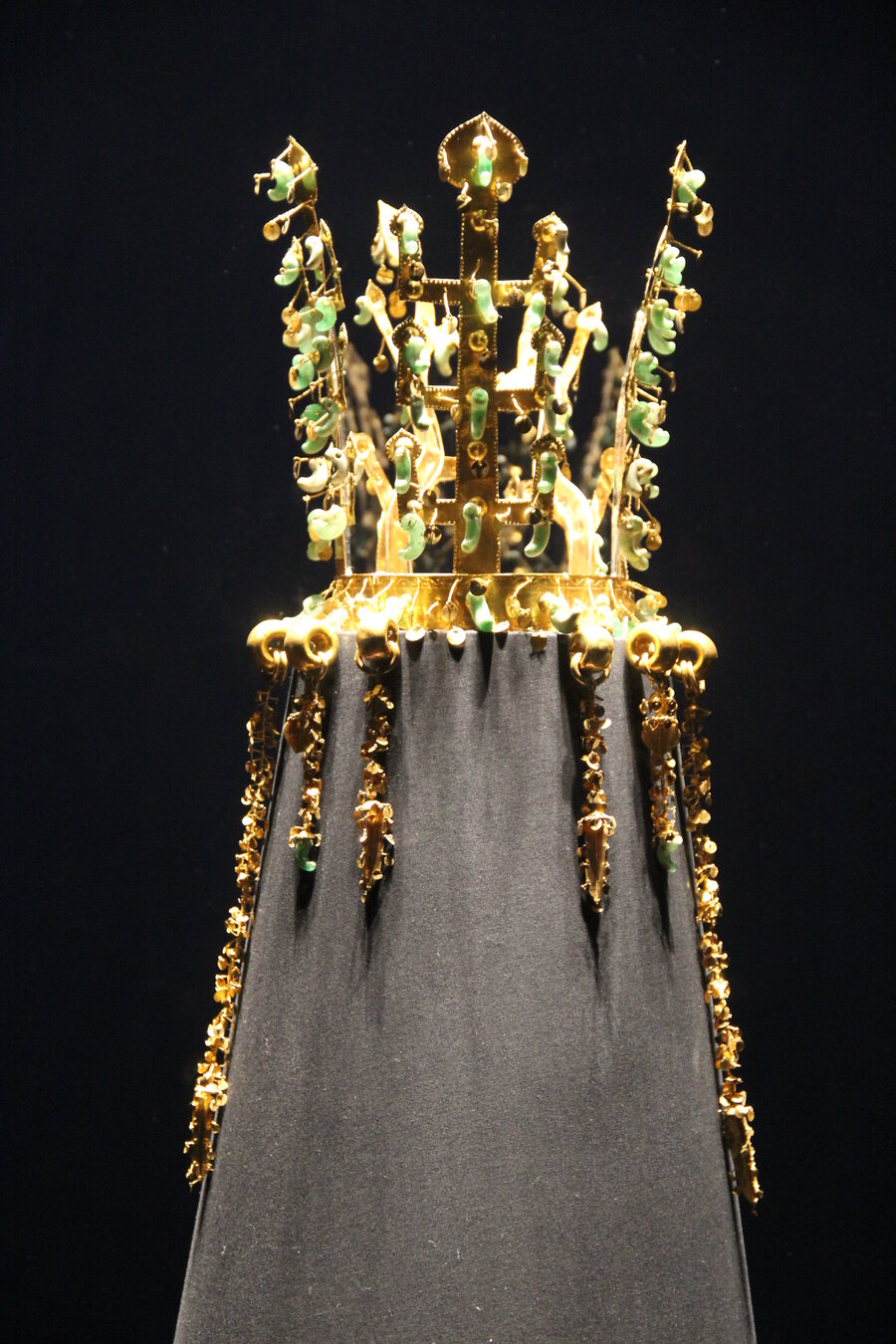
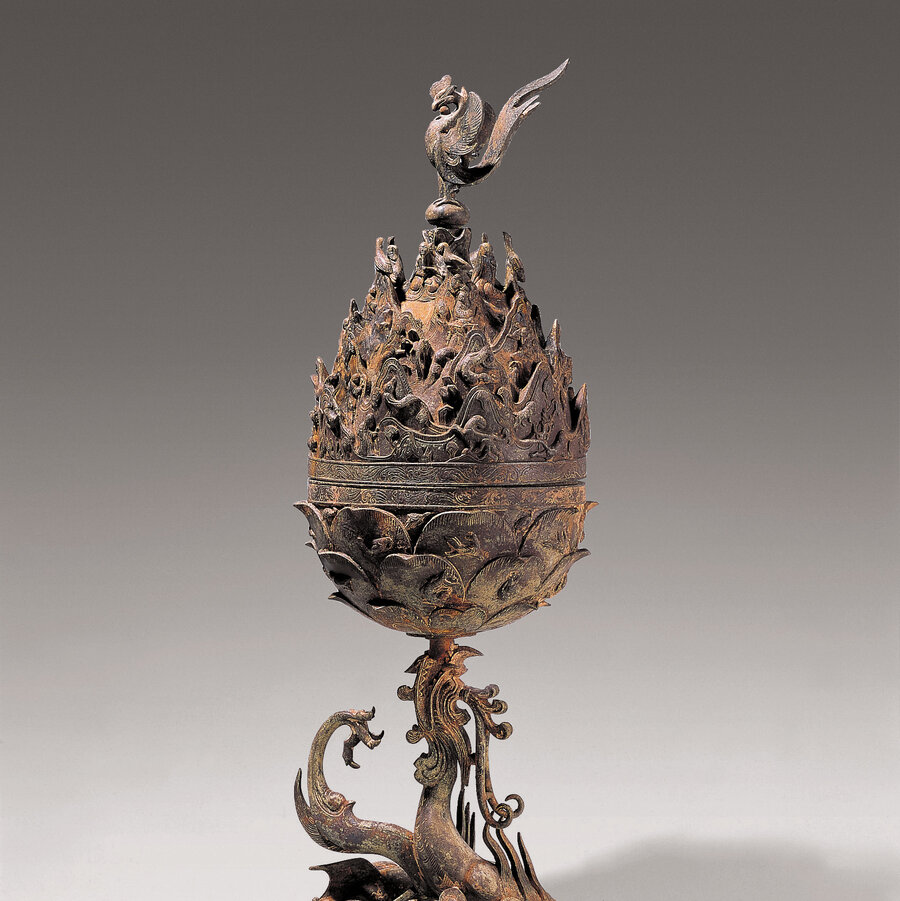
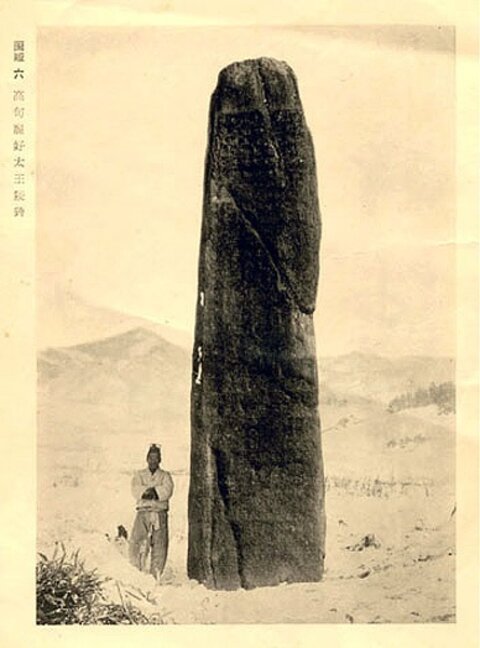
Images: King Taejo and the Gwanggaeto Stele are reference reconstructions; the Silla gold crown and Baekje incense burner are photographs from Wikimedia Commons.
Historical figures by clan are listed under Notable figures.
Jokbo by surname and clan seat (bon-gwan)
Ordered by population (Statistics Korea, 2015 census). Each page covers the clan's founder, origin, main branches, notable figures and how to build its family tree. See all surnames & clans
Search your clan's jokbo
Search by surname, bon-gwan, branch or historical figure — Korean or English (e.g. 밀양 박씨, Miryang Park, 익재공파).
Frequently asked questions
What is a jokbo?
A jokbo (族譜) is a Korean genealogy book that records, generation by generation, the lineage of everyone descended from one founding ancestor of a surname and clan seat (bon-gwan). Each entry notes the person's name, courtesy and pen names, years of birth and death, offices held, spouse and burial site.
Where can I find my family's jokbo?
The most reliable sources are your clan association (jongchinhoe) and family elders. Many clans' jokbo are also held at the National Library of Korea and the Jangseogak archive of the Academy of Korean Studies, and the Korea Jokbo Museum in Ppuri Park, Daejeon, displays genealogy materials. Knowing your bon-gwan and branch (pa) first makes the search far easier.
What if I don't know my bon-gwan or branch?
Use a family register (jejeok deungbon) to confirm names and bon-gwan back to your great- and great-great-grandparents, then match generational names (hangnyeol) and your elders' memories to narrow down the branch. JokboWorld's clan pages also list major branches and their founders.
How is a jokbo different from a family tree?
A jokbo is the record of an entire clan, from its founder down through dozens of generations; a family tree usually charts a few generations around your own household. JokboWorld lets you draw it as a tree while also keeping jokbo details such as generation, hangnyeol, bon-gwan and branch.
Are daughters and daughters-in-law included in a jokbo?
Older jokbo often recorded a daughter under her husband's name and a daughter-in-law only by her bon-gwan and surname. Newly compiled and digital jokbo increasingly list daughters by their own names.
Is an online jokbo free?
You can start on JokboWorld for free and build your family's jokbo (family tree) yourself, invite relatives to fill it in together, and download the finished tree as a PDF.
A sample jokbo drawn with JokboWorld
Connect parents, children and spouses and the generations organize themselves. See the sample →
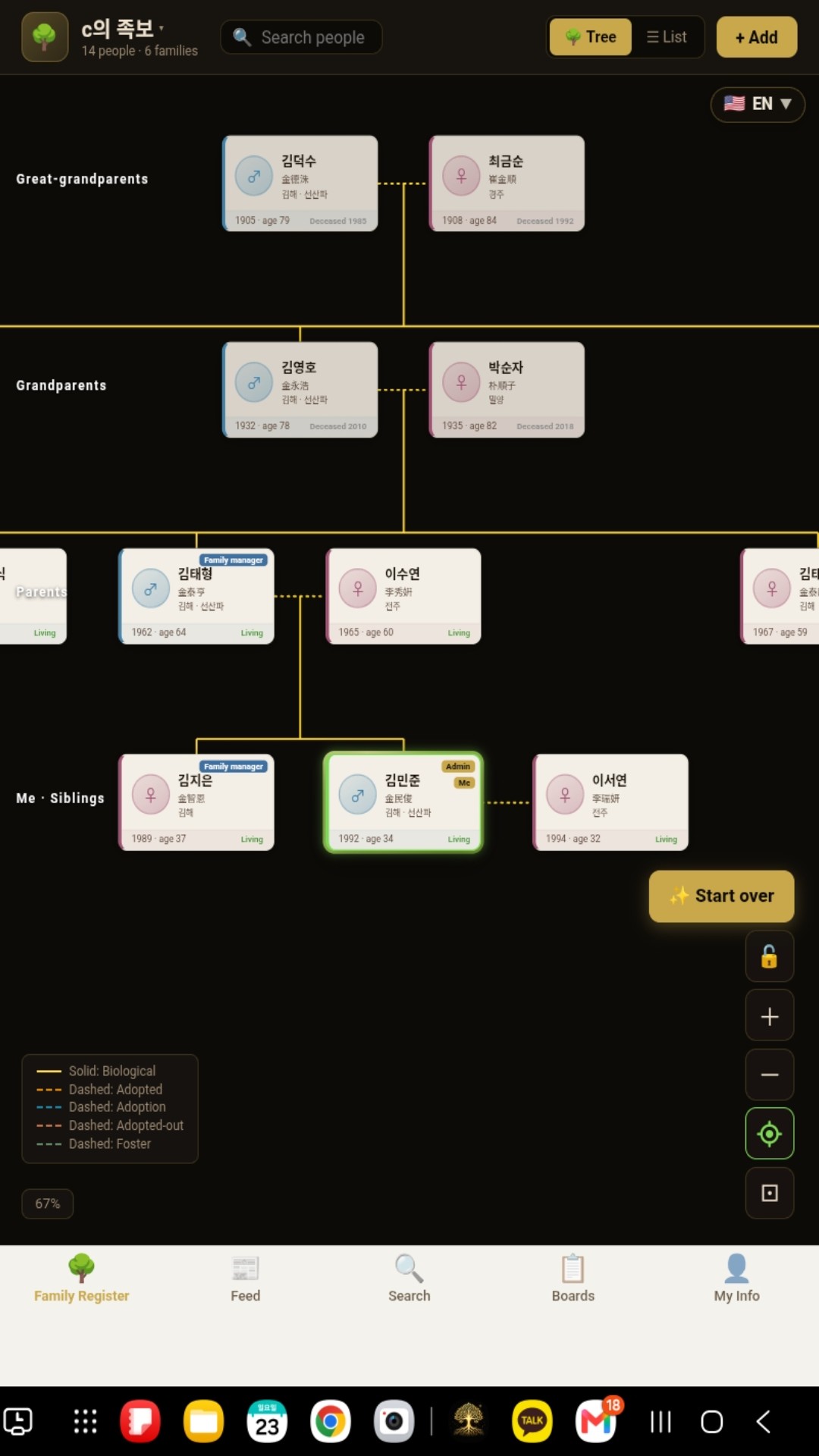
 [Android]
 [iOS]
[iOS]