청송 심씨 family tree
Build your family tree online청송 심씨(靑松 沈氏) — Said to be the representative line of the Shim surname, with its ancestral seat in Cheongsong.
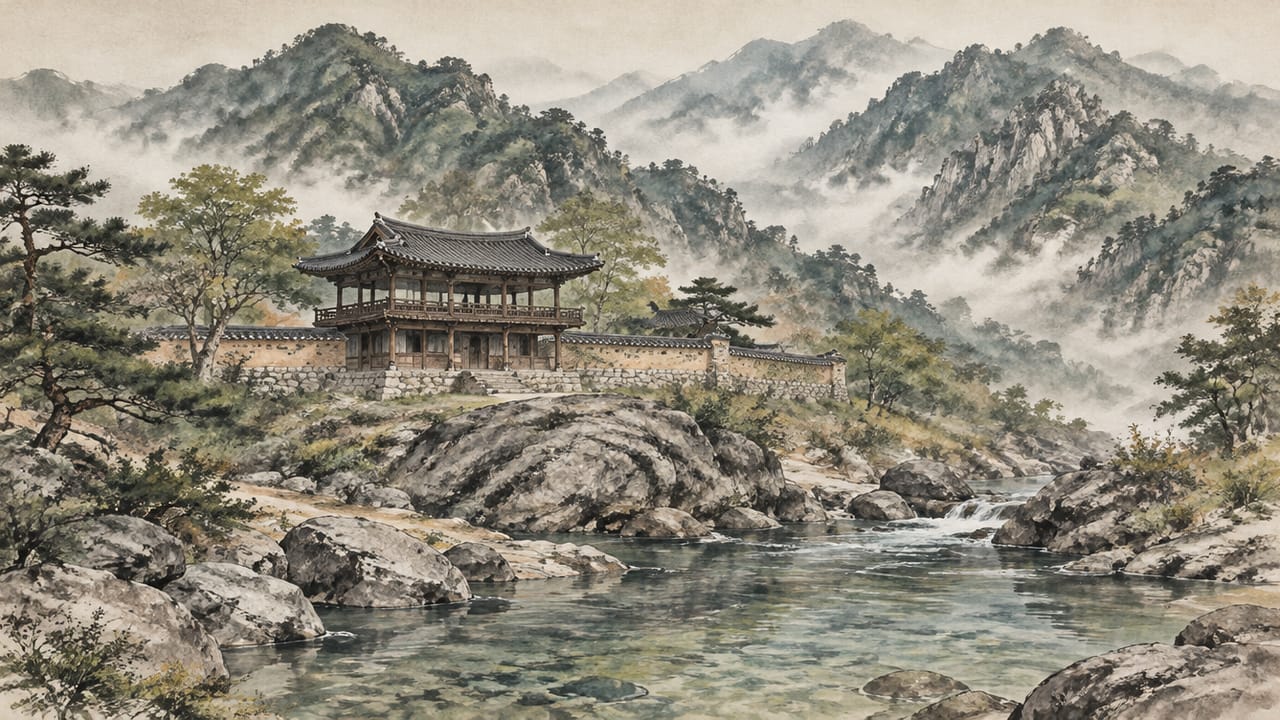
About the 청송 심씨 clan
Said to be the representative line of the Shim surname, with its ancestral seat in Cheongsong. In the 2015 Census the 청송 심씨 clan numbered about 240,768 people, one of Korea's major surnames and clans. Even among people surnamed 심, a different clan seat (bon-gwan, 청송) means a different lineage. New to these terms? See the bon-gwan, pa & hangnyeol guide.
Roots and History of the Cheongsong Shim Clan
Founder and Origin of the Ancestral Seat
The Cheongsong Shim clan (靑松 沈氏) is the leading Shim (Sim) clan and takes Cheongsong County in North Gyeongsang Province as its ancestral seat. Its founder, Shim Hong-bu (沈洪孚), is said to have served as a munrimrang and deputy director of the Wiwi Office under King Chungnyeol of Goryeo, and his descendants settled in Cheongsong, which became their seat. His tomb is said to lie on Bogwangsan in Cheongsong-eup, and the Joseon gazetteer Yeoji Doseo records Bogwangsa below it as the temple that guarded his grave.
The ancestry above the founder is unclear. According to the clan association, some family records such as the Wollyubo list three earlier generations — Shim Chung, a Goryeo official, then Gong-jwa and Su-jeong — but because these could not be verified when the first genealogy was compiled in 1545, Shim Hong-bu was adopted as founder. His elder son Shim Yeon served as a palace attendant and was the ancestor of Shim Yong and Shim Deok-bu, while the descendants of his second son Shim Seong are said to have lived for generations in what is now North Korea. According to the Dongguk Yeoji Seungnam, Cheongsong was raised to a county in 1419 as the queen's ancestral home and later took its present name after merging with Songsaeng county.
The clan rose with the fourth-generation Shim Deok-bu (沈德符, 1328–1401). Son of Shim Yong, he repeatedly defeated Japanese pirates as a regional commander under King U, and in 1380, with Commander Na Se, he won a great victory using Choe Mu-seon's gunpowder cannons in battle for the first time. As Western Capital commander in the 1388 Liaodong campaign he supported Yi Seong-gye's withdrawal from Wihwado; after the founding of Joseon he was added as a first-rank Withdrawal Merit Subject, enfeoffed as Lord of Cheongseong and later became Left State Councillor. His younger brother Ageun Shim Won-bu, by contrast, withdrew to Dumundong when Goryeo fell and refused to serve the new dynasty.
The Clan Through History
From Shim Deok-bu's seven sons came the seven Gyeongpa (capital) lines that lived in Seoul and held office — the Dochongjegong, Pansagong, Jiseongjusagong, Insubuyungong, Anhyogong, Cheongwongun and Dongjichonggong lines — while Shim Won-bu's descendants formed the Hyangpa (hometown) line. Among the capital lines, the Anhyogong line founded by King Sejong's father-in-law Shim On and the Insubuyungong line flourished most.
The Cheongsong Shim were a leading royal in-law family of Joseon. They produced three queens — Queen Soheon of Sejong, Queen Insun of Myeongjong and Queen Danui of Gyeongjong — and several royal sons-in-law, including Shim Jong, husband of King Taejo's daughter Princess Gyeongseon, Shim An-ui, husband of Sejong's daughter Princess Jeongan, and Shim Ik-hyeon, husband of Hyojong's daughter Princess Sukmyeong. Politically, Shim Ui-gyeom led the Westerners at the time of the Easterner-Westerner split, and in late Joseon Shim Hwan-ji led the Noron Byeokpa. The clan also produced many state councillors, from Shim Hoe under Sejo to Shim Yeon-won under Myeongjong, Shim Yeol under Injo, Shim Ji-won under Hyojong and Shim Sun-taek under Gojong. A monument the clan association erected before the founder's tomb in 2002 records thirteen state councillors (nine of them chief state councillors), two grand academicians, three queens and four royal sons-in-law.
The clan compiled its genealogy early. Records trace a sequence from the 1545 Eulsa edition printed by Shim Tong-won in Suncheon to the 1562 Imsul edition, the 1578 Muin edition led by Shim Ui-gyeom and the 1649 Gichuk edition by Yeongcheon magistrate Shim Jang-se, though scholars note that whether some of these were actually printed needs further study.
Notable Figures
- Shim Hong-bu (沈洪孚) — Founder of the clan; said to have served as munrimrang and deputy director of the Wiwi Office under King Chungnyeol.
- Shim Deok-bu (沈德符, 1328–1401) — Late-Goryeo commander who fought Japanese pirates; Left State Councillor and Lord of Cheongseong in early Joseon.
- Shim On (沈溫) — Son of Shim Deok-bu and father-in-law of King Sejong; Chief State Councillor executed on false charges in 1418 and later exonerated, posthumously titled Anhyo.
- Queen Soheon (昭憲王后, 1395–1446) — Daughter of Shim On, queen of King Sejong and mother of Kings Munjong and Sejo.
- Shim Hoe (沈澮, 1418–1493) — Son of Shim On; Chief State Councillor at the end of Sejo's reign and a regent-minister in early Seongjong.
- Shim Yeon-won (沈連源, 1491–1558) — Chief State Councillor under King Myeongjong; his granddaughter became Queen Insun.
- Shim Tong-won (沈通源, 1499–1572) — Younger brother of Shim Yeon-won and Left State Councillor under Myeongjong; recorded as publisher of the clan's first genealogy in 1545, though impeached for abusing power as a royal in-law.
- Queen Insun (仁順王后, 1532–1575) — Daughter of Shim Gang and queen of King Myeongjong.
- Shim Ui-gyeom (沈義謙, 1535–1587) — Queen Insun's younger brother and a disciple of Yi Hwang; a central figure of the Westerners at the factional split.
- Shim Hui-su (沈喜壽, 1548–1622) — Escorted King Seonjo in the Imjin War and hosted Ming envoys; Left State Councillor honored as an upright official, he withdrew in protest at the move to depose the queen dowager under Gwanghaegun.
- Shim Dae (沈岱, 1546–1592) — Escorted King Seonjo in the Imjin War and, as Governor of Gyeonggi planning to retake Seoul, was killed in a night attack at Sangnyeong; named a Hoseong Merit Subject.
- Shim Ji-won (沈之源, 1593–1662) — Of the Insubuyungong line; Chief State Councillor under Hyojong, whose daughter married his son Shim Ik-hyeon.
- Queen Danui (端懿王后, 1686–1718) — Daughter of Shim Ho and first queen of King Gyeongjong.
- Shim Sa-jeong (沈師正, 1707–1769) — Great-grandson of Chief State Councillor Shim Ji-won; a leading late-Joseon literati painter of landscapes, flowers and animals.
- Shim Hwan-ji (沈煥之, 1730–1802) — Leader of the Noron Byeokpa who served as Right and Chief State Councillor under Jeongjo and Sunjo.
- Shim Sang-gyu (沈象奎, 1766–1838) — Scholar-official favored by King Jeongjo; served as Grand Academician and Right State Councillor and led the government as regent-minister early in Heonjong's reign.
- Shim Hun (沈熏, 1901–1936) — Novelist, poet and filmmaker, author of Sangnoksu (The Evergreen).
Clan Villages and Heritage Sites
Changyeongnu — A pavilion on natural bedrock beside the Yongjeoncheon stream in Cheongsong-eup, first built in 1428 as the memorial hall of founder Shim Hong-bu. Rebuilt in 1792 after a fire, it was designated a Treasure in 2019.
Bogwangsa, Chumojae and Mansaeru — Bogwangsa in Cheongsong-eup guarded the founder's tomb; tradition says Queen Soheon made it a votive temple because her ancestors' graves were on this mountain and built the Chumojae shrine hall and the Mansaeru pavilion. Its Geungnakjeon hall, built around 1615, became a Treasure in 2014. The Mansaeru, known as a pavilion over 600 years old, was reported damaged in the great North Gyeongsang wildfires of March 2025.
Tomb of Shim On and Anhyosa — In Yeongtong-gu, Suwon, designated a Gyeonggi Provincial Monument in 1979, with a red gate, shrine hall, spirit-way stele and the Anhyosa shrine; the gravestone inscription is attributed to Prince Anpyeong.
Songso Old House, Cheongsong — A National Folklore Heritage in Deokcheon-ri, Pacheon-myeon, built around 1880 by Shim Ho-taek, seventh-generation descendant of Shim Cheo-dae, who amassed a fortune of ten thousand sacks of rice under King Yeongjo. The spirit-way stele of Shim Yeon-won (Tongjin-eup, Gimpo) and the tomb of General Shim Dae (Namsa-myeon, Yongin) also survive.
Known clan villages include Bunam-myeon and Pacheon-myeon in Cheongsong, Nam-myeon in Inje, Paju and Hwaseong in Gyeonggi, Sancheong and Hapcheon in South Gyeongsang, Gokseong and Jangseong in South Jeolla, Napo-myeon in Gunsan and Buljeong-myeon in Goesan.
Branch lines and genealogical succession can differ by lineage group and jokbo, so please check against your own family genealogy.
Main branches (派)
Anhyo-gong-pa, Insubuyun-gong-pa, Cheongwon-gun-pa, Dochongje-gong-pa, Pansa-gong-pa, Jiseongjusa-gong-pa, Dongjichong-gong-pa, Ageun-gong-pa
Anhyo-gong-pa (安孝公派)
The Anhyo-gong branch descends from Sim On (沈溫, 1375–1418), posthumously titled Anhyo, the fifth son of Sim Deok-bu and father-in-law of King Sejong. Made Chief State Councillor when Sejong took the throne, he was put to death in the purge of 1418 and exonerated under King Munjong; his daughter was Queen Soheon. The most flourishing of the seven Gyeongpa branches, it is said to account for more than half of the clan, and Sim On's tomb and the Anhyosa shrine are in Yeongtong-gu, Suwon.
His son Sim Hoe became Chief State Councillor under Sejo, completing three generations of chief ministers, and Sim Hoe's great-grandsons Sim Yeon-won and Sim Tong-won were state councillors under Myeongjong. Sim Yeon-won's granddaughter was Queen Insun and his grandson Sim Ui-gyeom led the Westerners. The branch also produced Left State Councillor Sim Hui-su, the Imjin War martyr Sim Dae, Chief State Councillor Sim Yeol under Injo, Queen Danui, Noron Byeokpa leader Sim Hwan-ji, Sunjo-era minister Sim Sang-gyu, Chief State Councillor Sim Sun-taek under Gojong and the novelist Sim Hun. Sub-lines include the Hyochang-gong line of Sim Hui-su's grandfather Sim Bong-won and the Chungjang-gong line descended from Sim Dae.
Insubuyun-gong-pa (仁壽府尹公派)
The Insubuyun-gong branch descends from Sim Jing (沈澄, ?–1432), the fourth son of Sim Deok-bu. A general under King Taejo, he rose through the post of Insu-buyun to Gyeongchang-buyun in 1418, but that year he was exiled to Namhae and later Dongnae, implicated in the case against his younger brother Sim On, and his son Sim Seok-jun was exiled to Nagan. He was later released and died in 1432. Along with the Anhyo-gong branch it is counted among the Gyeongpa branches that flourished most and held high office.
Sim Jing's grandson Sim Seon governed Gyeonggi and Hwanghae under Sejo, and Sim An-ui of the same line married King Sejong's daughter Princess Jeongan. Minister of Punishments Sim Gwang-eon under Myeongjong, Chief State Councillor Sim Ji-won under Hyojong, Sim Ik-hyeon, who married Hyojong's daughter Princess Sukmyeong, and the painter Sim Sa-jeong are said to have come from this branch. Sim Ji-won's tomb and stele in Gwangtan-myeon, Paju, are a Gyeonggi Provincial Monument.
Cheongwon-gun-pa (靑原君派)
The Cheongwon-gun branch descends from Sim Jong (沈悰, ?–1418), the sixth son of Sim Deok-bu. In 1393 he married Princess Gyeongseon, second daughter of King Taejo, and was titled Prince Cheongwon; when royal titles were reorganized in 1398 he was briefly styled Marquis Cheongwon before reverting to Prince. That year he was named a second-rank Jeongsa Merit Subject for helping Yi Bang-won in the First Strife of Princes, and he stayed neutral in the second.
Appointed military commander of Gyeongsang in 1408, he was found in 1416 to have secretly corresponded with and accepted gifts from the exiled Prince Hoean, Yi Bang-gan; stripped of his merit title and reduced to commoner status, he was confined at Tosan and is said to have died there in 1418. His daughter reportedly married Yi Myeong-sin of the Deoksu Yi clan. As the line of the clan's first royal son-in-law, it holds a notable place in the clan's history.
Dochongje-gong-pa (都摠制公派)
The Dochongje-gong branch descends from Sim In-bong (沈仁鳳), eldest son of Sim Deok-bu. According to the monument erected before the founder's tomb by the clan association in 2002, Sim In-bong, first of Sim Deok-bu's seven sons, served as dochongje (commander of the Three Armies), the office from which the branch takes its name. Genealogical summaries on Korean Wikipedia add that he married a daughter of Sin A and that his son Sim Ho served as magistrate of Pyeongsan. The association's monument lists the seven sons in order as In-bong (dochongje), Ui-gu (pansa), Gye-nyeon (jiseongjusa), Jing (Insu-buyun), On (Chief State Councillor), Jong (Prince Cheongwon) and Jeong (dongjichongje).
With the Pansa-gong, Jiseongjusa-gong, Insubuyun-gong, Anhyo-gong, Cheongwon-gun and Dongjichong-gong branches, it is one of the seven Gyeongpa (capital) branches founded by Sim Deok-bu's sons, and as the senior house it lived in Seoul and held office after the founding of Joseon. Published records of its members are relatively few, so its lineage is best checked against the branch's own genealogy and association records.
Pansa-gong-pa (判事公派)
The Pansa-gong branch descends from Sim Ui-gu (沈義龜), second son of Sim Deok-bu. The clan association's monument records him as the second son who served as pansa (a senior office director), the title from which the branch is named; because the character 龜 can also be read gwi, some sources write his name Sim Ui-gwi. Genealogical summaries on Korean Wikipedia say he married a daughter of Kim Nam-il of the Sangju Kim clan, that his son Sim Gu served as an official of the Ministry of Personnel, and that his son-in-law was Yeo Gye of the Hamyang Yeo clan. The association's monument lists the seven sons in order as In-bong (dochongje), Ui-gu (pansa), Gye-nyeon (jiseongjusa), Jing (Insu-buyun), On (Chief State Councillor), Jong (Prince Cheongwon) and Jeong (dongjichongje).
With the Dochongje-gong, Jiseongjusa-gong, Insubuyun-gong, Anhyo-gong, Cheongwon-gun and Dongjichong-gong branches, it is one of the seven Gyeongpa branches founded by Sim Deok-bu's sons, who lived in Seoul and held office for generations. Details of its lineage and members are best checked against the branch's own genealogy and association records.
Jiseongjusa-gong-pa (知成州事公派)
The Jiseongjusa-gong branch descends from Sim Gye-nyeon (沈繼年), third son of Sim Deok-bu. According to the clan association's monument he served as jiseongjusa, magistrate of Seongju (成州), the office from which the branch takes its name. Some sources give his name as Sim Do-saeng (沈道生), and the branch is also written Seongjujisa-gong-pa.
Genealogical summaries on Korean Wikipedia say he married a woman of the Gangjin Choe clan, that his son Sim Yeon served as a censorate inspector and was posthumously made a vice minister, and that another son, Sim Gi, taught at the National Academy. The association's monument lists the seven sons in order as In-bong (dochongje), Ui-gu (pansa), Gye-nyeon (jiseongjusa), Jing (Insu-buyun), On (Chief State Councillor), Jong (Prince Cheongwon) and Jeong (dongjichongje). It is the third house of the seven Gyeongpa branches founded by Sim Deok-bu's sons, which lived in Seoul and held office after the founding of Joseon. Its lineage and members are best checked against the branch's own genealogy and association records.
Dongjichong-gong-pa (同知摠公派)
The Dongjichong-gong branch descends from Sim Jeong (沈泟, ?–1418), seventh and youngest son of Sim Deok-bu, who served as dongjichongje (deputy commander) of the Three Armies, the office that gives the branch its name. He is said to have married a daughter of Wang U, Prince Jeongyang, a brother of King Gongyang; since King Taejo's son Grand Prince Muan also married a daughter of Wang U, the Sim and royal families became doubly related.
After Sejong's accession in 1418, Sim Jeong was accused, together with Minister of War Bak Seup, of criticizing the retired King Taejong's hold on military power; he lost his life in the ensuing case, and his elder brother Sim On, then away in Ming as an envoy, was also put to death. Clan records trace the affair to a remark Sim Jeong made to Vice Minister of War Gang Sang-in asking why vacancies in the royal guard were not being filled. Genealogies record that his grandson Sim Mal-dong served as a deputy director and that his great-granddaughter became Royal Consort Sugyong Sim, a concubine of King Seongjong.
Ageun-gong-pa (岳隱公派)
The Ageun-gong branch is the Hyangpa (country) line descended from Sim Won-bu (沈元符), pen name Ageun, a younger brother of Sim Deok-bu. A disciple of Yi Je-hyeon, he rose to Minister of Personnel in late Goryeo, but when the dynasty fell he is said to have withdrawn to Dumundong as one of its 'seventy-two worthies'. He refused repeated summons from the new dynasty and told his descendants not to serve it, an injunction they honored as seonhun bulsa ('by ancestral instruction, no office'), living in their home region for generations.
Of his three sons, the eldest, Sim Cheon-yun, and the second, Sim Cheon-ju, founded the Yeongdongjeong-gong and Hyeollyeong-gong sub-lines, while the third, Sim Cheon-sik, is said to have studied under Jeong Mong-ju. Tradition credits this line with Sim Cheo-dae, who built a great fortune under King Yeongjo, his seventh-generation descendant Sim Ho-taek, builder of the Songso House in Cheongsong, the Imjin War volunteer leaders Sim Gi-il and Sim Dae-seung under Gwak Jae-u, and Sim Seong-ji, commander of the Cheongsong righteous army in 1896. Sim Won-bu is said to be enshrined at Dumundong Seowon and at Gyeonghyeonsa in Jangseong.
Branch divisions vary by lineage and jokbo; confirm your own branch in your family's records.
Notable figures
심덕부(Left State Councillor; Lord of Cheongseong), 심온(father-in-law of King Sejong; Chief State Councillor), 소헌왕후(queen of King Sejong), 심회(Chief State Councillor under Sejo), 심연원(Chief State Councillor under Myeongjong), 인순왕후(queen of King Myeongjong), 심통원(Left State Councillor under Myeongjong), 심의겸(leader of the Westerners), 심대(Gyeonggi governor killed in the Imjin War), 심희수(Left State Councillor; upright official), 심지원(Chief State Councillor under Hyojong), 단의왕후(queen of King Gyeongjong), 심사정(late-Joseon painter), 심환지(Noron Byeokpa leader; Chief State Councillor), 심상규(minister and Grand Academician under Sunjo), 심훈(novelist; author of The Evergreen)
Tap a name for the full profile (life, career, grave, descendants).
Related Videos
How to build your 청송 심씨 tree
- Start with yourself — sign in to get your own tree. Enter your name, birth year and clan seat (청송).
- Add older generations — add parents and grandparents. For accuracy see tracing ancestors with jejeok records (usually to about 5 generations).
- Link siblings & children — sort by generational name (hangnyeol) to see each generation at a glance.
- Export & share — save the finished tree as a PDF and invite family to manage it together.
Related reading
청송 심씨 clan association
For other branch associations, see the Korean E-Jokbo Library clan-association directory.
✍ Request additions / corrections to the 청송 심씨 family tree infoStart your family tree free →