옥관빈
Pyongyang-born independence activist and businessman active in the Sinminhoe and the Provisional Assembly
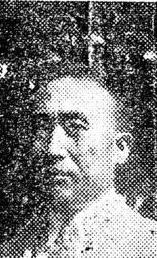
| Life | 1891 ~ 1933 |
| Era | 일제강점기 |
| Clan | 의령 옥씨 |
Life & career
Ok Gwan-bin (1891-1933) was a Pyongyang-born independence activist and businessman, also known by the Buddhist name Ok Hye-gwan (玉慧觀) after naturalizing in China. Wikipedia categorizes him under the Uiryeong Ok clan.
In 1905 he joined protests against the Eulsa Treaty and wrote for the Daehan Maeil Sinbo and Maeil Sinbo. He served as secretary of the Cheongnyeon Hakuhoe in 1909, is listed among founding members of the Heungsadan, and joined the Sinminhoe. He was jailed in the 1911 '105-Man Incident' and released in 1917.
In 1919 he served as a member of the Provisional Assembly and general manager of the Independence Newspaper, and was later elected to the Korean Residents' Association of Shanghai. After 1921 he was in the trading business (Baedal Gongsa, Samdeok Yanghaeng), and in 1928 he naturalized in China and devoted himself to Buddhism. He was killed in the French Concession of Shanghai in 1933. His state decorations, if any, were not confirmed here.
Sinminhoe and the 105-Man Incident
As a young man he joined protests against the Eulsa Treaty and wrote for newspapers. Involved with the Cheongnyeon Hakuhoe and Sinminhoe, he was imprisoned after the 1911 105-Man Incident and released in 1917.
Provisional Government Work in Shanghai
In 1919 he served in the Provisional Assembly and as general manager of the Independence Newspaper. He was twice elected to the Korean Residents' Association of Shanghai, and later combined trading with Buddhist activity. He was killed in Shanghai on 1 August 1933.
A Note on Assessment
Wikipedia notes that he is not listed in the Chinilpa report or the dictionary of pro-Japanese collaborators. His clan seat follows the article's category, so please verify it with clan sources. See also the Uiryeong Ok clan page.
Grave
Reports say his body reached Pyongyang in August 1933 and was moved to Junghwa County, but the exact grave location was not confirmed.