김종직 金宗直
Early-Joseon Neo-Confucian scholar and civil official; master of the Sarim faction (pen name Jeompiljae)
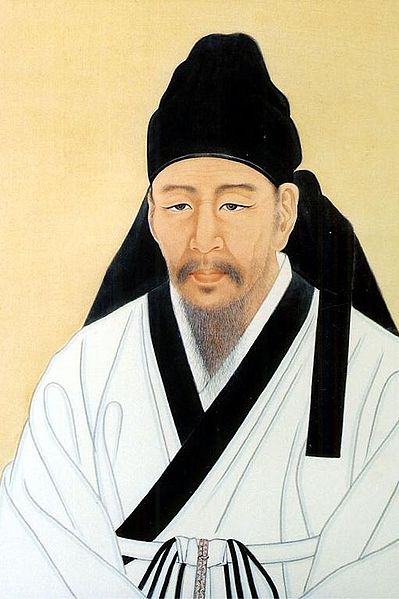
| Life | 1431 ~ 1492 |
| Era | 조선 |
| Clan | 선산 김씨 |
Life & career
Kim Jong-jik was a civil official and scholar from Miryang; his pen name was Jeompiljae (佔畢齋) and his courtesy name Gyeon (季溫). Inheriting his learning from his father Kim Suk-ja, he is counted as the master (jongjang) of the early-Joseon Sarim faction, and nurtured many disciples such as Kim Goeng-pil, Jeong Yeo-chang, and Kim Il-son.
Serving as a provincial official such as magistrate of Hamyang and Seonsan, he worked at rural moral education, and after serving as compiler of the Office of Special Advisers (hongmun-gwan sujan) he held posts such as royal secretary (doseungji), second minister of personnel (ijo chami), and Minister of Punishments. He is famous for writing the Joui jemun (弔義帝文), which allegorically criticized King Sejo's usurpation of the throne.
In 1498, after his death, the affair of his disciple Kim Il-son including the Joui jemun in the draft histories became the pretext for the Muo Literati Purge, and Kim Jong-jik's corpse was subjected to mutilation (bugwanchamsi). His works include the Jeompiljae jip; his posthumous title was Munchung (文忠).
Grave
Jedae-ri, Bubuk-myeon, Miryang, South Gyeongsang Province (the hill behind Chuwonjae)