조광조 趙光祖
Leader of the sarim faction who pursued reforms based on jichijuui during King Jungjong's reign in Joseon
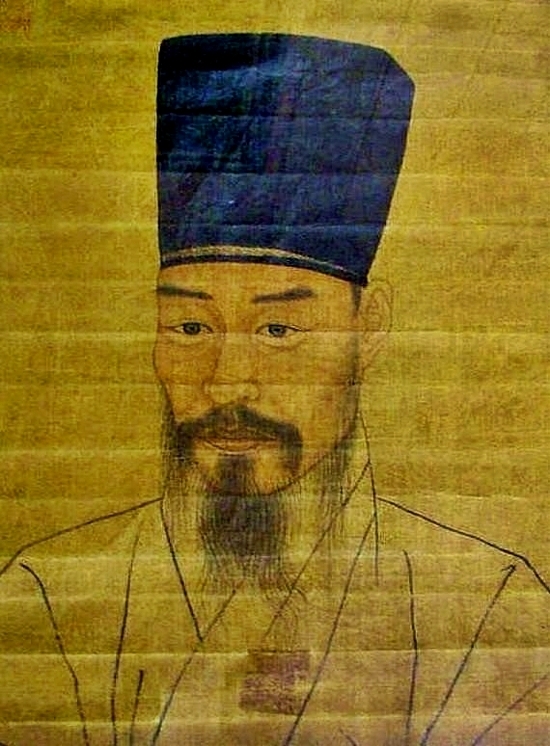
| Life | 1482 ~ 1519 |
| Era | 조선 |
| Clan | 한양 조씨 |
Life & career
Jo Gwang-jo (趙光祖, 1482-1519) was a civil official and Neo-Confucian scholar under King Jungjong, of the Hanyang Jo clan, with courtesy name Hyojik, pen name Jeongam and posthumous title Munjeong (文正). Born in Hanseong as the son of the inspector Jo Won-gang, he was a great-great-grandson of the founding merit subject Yangjeol-gong Jo On and a nephew of the upright official Jo Won-gi. As leader of the Sarim he championed an ideal Neo-Confucian government known as jichijuui ('rule of perfect order').
As a young man he studied under Kim Goeng-pil, then in exile at Huicheon, grounding himself in the Elementary Learning and Reflections on Things at Hand. He passed the licentiate examination in 1510 and entered the Seonggyungwan; in 1515 he was recommended for office for his learning and conduct and passed a special civil examination that year. Serving in the Office of Special Advisers and the Censorate, he won King Jungjong's deep trust and rose to Inspector-General.
He introduced the recommendation examination (hyeollyanggwa) to recruit new scholars, abolished the Taoist Soggyeokseo, promoted the Lü Family Community Compact and the Elementary Learning, urged the enshrinement of Jeong Mong-ju and Kim Goeng-pil in the Confucian shrine, and was involved in the debate over restoring the deposed Queen Dangyeong. In October 1519 he forced through the stripping of merit titles from 76 of the 105 restoration merit subjects as undeserved. The Hungu faction of Hong Gyeong-ju, Nam Gon and Sim Jeong struck back in the Gimyo purge that November; he was exiled to Neungju (today Hwasun, South Jeolla) and given poison on the 20th day of the 12th lunar month.
He was reinstated under King Injong, posthumously made Chief State Councillor under King Seonjo, and enshrined in the Confucian shrine in 1610. Yi I counted him with Kim Goeng-pil, Jeong Yeo-chang and Yi Eon-jeok among the 'Four Sages of the East'. He is honored at Simgok Seowon in Yongin and Juksu Seowon in Hwasun, and a memorial stele erected in 1667 marks his place of exile at Neungju. His tomb is in Sanghyeon-dong, Suji-gu, Yongin, and his writings survive as the Jeongamjip.
Grave
Sanghyeon-dong, Suji-gu, Yongin-si, Gyeonggi-do