조영하 趙寧夏
Royal in-law and key figure of the pro-Qing camp who helped bring about Gojong's personal rule; killed in the Gapsin Coup; courtesy name Gisam; art name Hyein
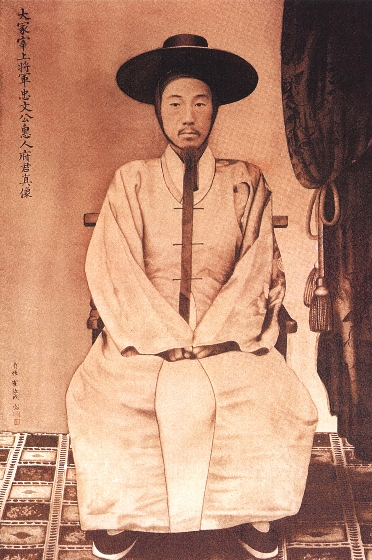
| Life | 1845 ~ 1884 |
| Era | 조선 후기 |
| Clan | 풍양 조씨 |
Life & career
Jo Yeong-ha (1845-1884) was a late Joseon official of the Pungyang Jo clan, courtesy name Gisam, art name Hyein. He was a fifth-degree nephew of Queen Sinjeong on her natal side and the same age as his sixth-degree cousin Jo Seong-ha. Adopted into the line of Jo In-yeong, he had Jo In-yeong as adoptive grandfather and Jo Man-yeong's second son Jo Byeong-gi as adoptive father. He passed the 1863 civil examination and served as an Academician at Gyujanggak.
With Jo Seong-ha he befriended the then-unfavored Heungseon Daewongun under Cheoljong and acted as a bridge between the Daewongun and Queen Dowager Jo. Favored by her, he was specially promoted to Principal of Seonggyungwan in 1865. In 1873, as Minister of Revenue, he joined the Min clan, including Min Seung-ho, and scholars such as Choe Ik-hyeon in impeaching the Daewongun, leading to his fall; when Gojong's personal rule was proclaimed he served as chief of police and commander of the Military Training Agency and the Capital Guards.
He became Minister of Personnel in 1880 and later Minister of War, emerging as a powerful figure of the Qing-leaning camp. After the 1882 Imo Mutiny he went to China to request troops and is described as involved in the Daewongun's being taken to China. He is also said to have been involved in the practical work of the early treaties with Western powers. In the 1884 Gapsin Coup he was killed, while holding the senior post of Jijungchubusa, by Kim Ok-gyun's men (Gojong Sillok).
Bridge Between the Daewongun and Queen Dowager Jo
In the process leading to Gojong's accession in 1863, Jo Seong-ha and Jo Yeong-ha are said to have linked Prince Heungseon and Queen Dowager Jo, which brought him her favor early in Gojong's reign.
After the Daewongun's Fall
After Gojong's personal rule was proclaimed in 1873 and the Daewongun withdrew, he served as army commander and minister. His actions during the Imo Mutiny are viewed differently, and he later became a pillar of the pro-Qing camp.
The Gapsin Coup
In the 1884 Gapsin Coup, after the opening banquet of the Post Office, the Gojong Sillok records that he was killed along with Min Tae-ho, Han Gyu-jik and others by men sent by Kim Ok-gyun and his group.
Descendants
His son was Jo Dong-yun, who is described as having been made a Joseon aristocrat under Japanese rule.