원균 元均
Naval commander of the Imjin War who served as Gyeongsang Right Naval Commander and Commander of the Three Provincial Navies; killed after the defeat at Chilcheollyang; First-class Seonmu merit subject
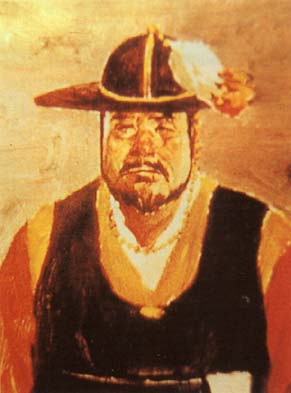
| Life | 1540 ~ 1597 |
| Era | 조선 중기 |
| Clan | 원주 원씨 |
Life & career
Won Gyun (1540-1597) was a mid-Joseon military officer of the Wonju Won clan with the courtesy name Pyeongjung. Wikipedia records his birth on 12 February 1540 at Yeongsin, Jinwi County (now Doil-dong, Pyeongtaek) and his death around 27 August 1597 (Gregorian, estimated). His father was the army commander Won Jun-ryang, his mother was of the Namwon Yang clan, and his son was Won Sa-ung. He passed the military examination in 1567, served as Seonjeongwan and as Manho of Josanbo in Hamgyeong, and became magistrate of Jongseong for his merit against the Jurchens.
When the Imjin War began in 1592 he was Gyeongsang Right Naval Commander. After the Left Naval Commander Park Hong fled, he asked Yi Sun-sin of Left Jeolla for help and took part with him in the sea battles at Okpo, Dangpo and Hansando. After the Hansan victory, however, Yi's separate report to the court deepened their conflict. From 1594 he was moved to army posts in Chungcheong and Jeolla after problems such as refusing to take part in land operations. In 1597, during the second invasion, King Seonjo dismissed Yi Sun-sin and made Won Gyun Commander of the Three Provincial Navies; he sailed on the king's order and the Joseon fleet was heavily defeated at Chilcheollyang that July. He is said to have been killed at Chunwonpo in Goseong.
Assessments have varied greatly. King Seonjo made him a first-class Seonmu merit subject, posthumous Left Minister (Jwachanseong) and Lord Wonreung. After Yi Sun-sin was elevated to near-divine status from the reign of Jeongjo, Won Gyun was drawn increasingly negatively. Since the 1980s the clan and Pyeongtaek local historians have called for reassessment, though critics say kinship and local ties undermine objectivity. Opinion still differs on whether blame for Chilcheollyang lies with him personally or also with the court's pressure and strategy. Pyeongtaek has a shrine to him (Local Heritage No. 6) and the Won Gyun general's tomb, believed to be an empty tomb holding relics; a tradition places his real grave around Geoje or Goseong.
Origins and Early Career
Born at Yeongsin, Jinwi County, he passed the military examination in 1567 and became magistrate of Jongseong for his merit against the Jurchens on the Hamgyeong frontier.
Early Naval Campaigns
As Gyeongsang Right Naval Commander in 1592 he asked Yi Sun-sin for help and fought with him at Okpo, Dangpo and Hansando. After Hansan, Yi's separate report deepened their conflict. Accounts from Yi's side and Won's side differ considerably, so it is best not to judge from one side alone.
The Battle of Chilcheollyang
Made Commander of the Three Provincial Navies in 1597, he sailed on King Seonjo's order, suffered a great defeat at Chilcheollyang in July and is said to have been killed at Chunwonpo in Goseong.
Merit Title and Reassessment
King Seonjo named him a first-class Seonmu merit subject, posthumous Jwachanseong and Lord Wonreung. Later criticism was strong; the clan and Pyeongtaek historians have urged reassessment, while others doubt their objectivity.
Sites
The Won Gyun shrine in Pyeongtaek (Local Heritage No. 6) and the general's tomb are known. Wikimedia Commons holds photos of his letter, described as returning to Pyeongtaek after 434 years, and of his Seonmu merit-subject certificate.
Grave
The Won Gyun general's tomb in Pyeongtaek is believed to be an empty tomb with relics only; a tradition places the real grave in Geoje or Goseong. Pyeongtaek also has the Won Gyun shrine (Local Heritage No. 6).
Descendants
His son was Won Sa-ung. The clan association classifies him as 20th generation of the Wonseongbaek line, in the Samsa Jwayun-gong branch.