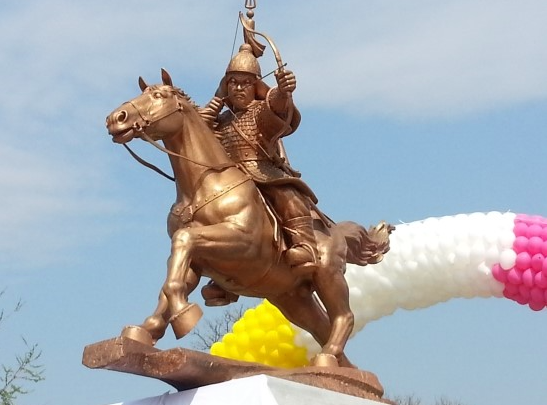
최진립 崔震立
A military official who fought in the Imjin and Byeongja wars and died a martyr; founding ancestor of the wealthy Choe family of Gyeongju (posthumous title Duke Jeongmu)
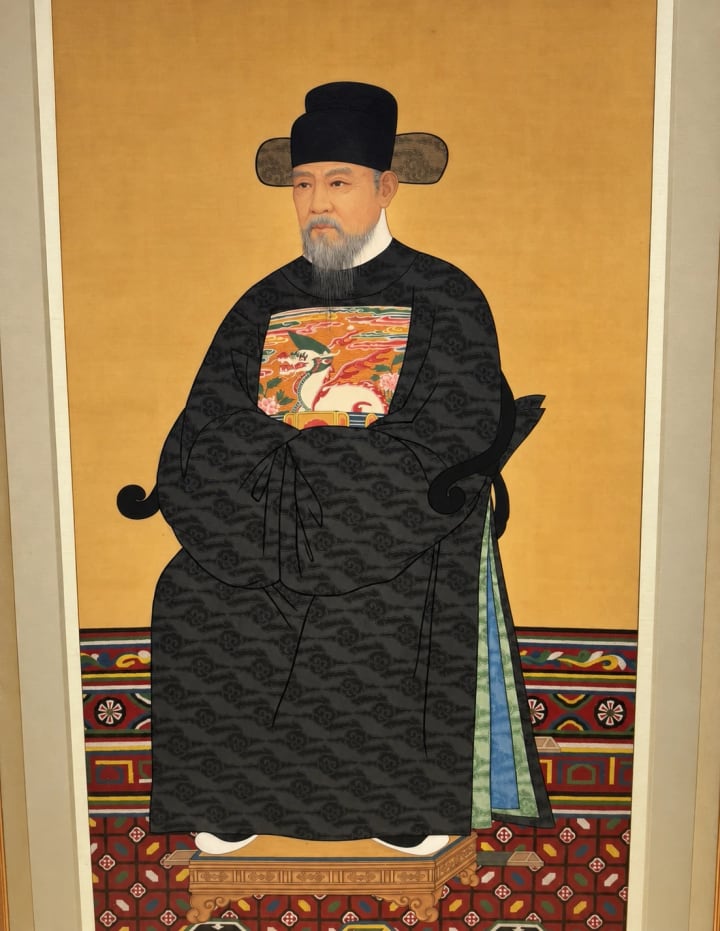
| Life | 1568 ~ 1637 |
| Era | 조선 |
| Clan | 경주 최씨 |
Life & career
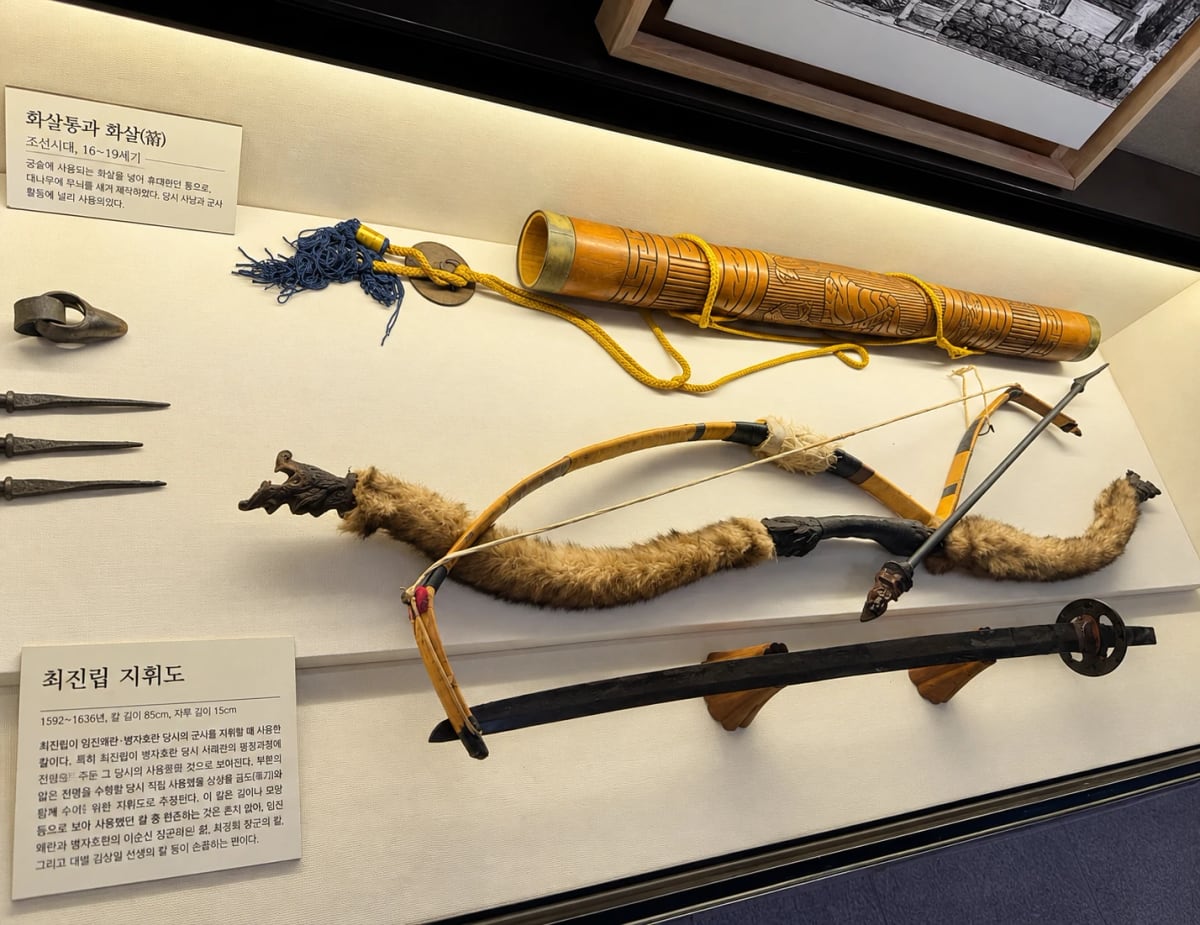
Choe Jin-rip (1568-1637) raised a militia with his brothers during the 1592 Japanese invasion, passed the military examination in 1594, and later led a suicide squad to victory against Japanese forces at Seosaengpo before holding a series of senior military posts including Naval Commander of the Three Provinces.
In 1636, though elderly, he returned to the battlefield during the Manchu invasion and was killed in action at the Battle of Heomcheon near Yongin in early 1637; he was posthumously honored as Minister of War and enshrined at Yongsan Seowon in Gyeongju. His tomb stands behind the UNIST campus in Eonyang, Ulju County, Ulsan.
He is regarded as the effective founder of the branch that became the legendary 'Gyeongju Choe rich family,' celebrated for twelve generations of noblesse oblige.
Yongsan Seowon (龍山書院)
Yongsan Seowon was founded in 1699 (the 25th year of King Sukjong) by local Confucian scholars such as Gwon Dae-gyu (權大規) together with members of the clan, to honor the loyalty and virtue of Duke Jeongmu, Choe Jin-rip. First called Chungryeolsa (忠烈祠), it received a royal name plaque in 1711 as Sungryeolsa (崇烈祠), and came to be known as Sungryeol Seowon or Yongsan Seowon.
Seowon (Confucian academies) were usually built for two purposes: rites for revered scholars and teaching the young. Beyond these, Yongsan Seowon also served as a lender to local people and a source of poor relief. It set up a separate treasury (byeolgo, 別庫), grew its funds through loans and interest, and steadily provided relief to the poor — facts confirmed in its financial records such as the Byeolgo Dorok (別庫都錄) and Chusugi (秋收記) harvest ledgers.
Most of the many people listed in the academy's rosters of students, affiliates and servants were lower-class local residents, and the academy worked with them on how to make a living. These features set Yongsan Seowon apart from other academies.
Source: exhibition panel "The founding and operation of Yongsan Seowon"
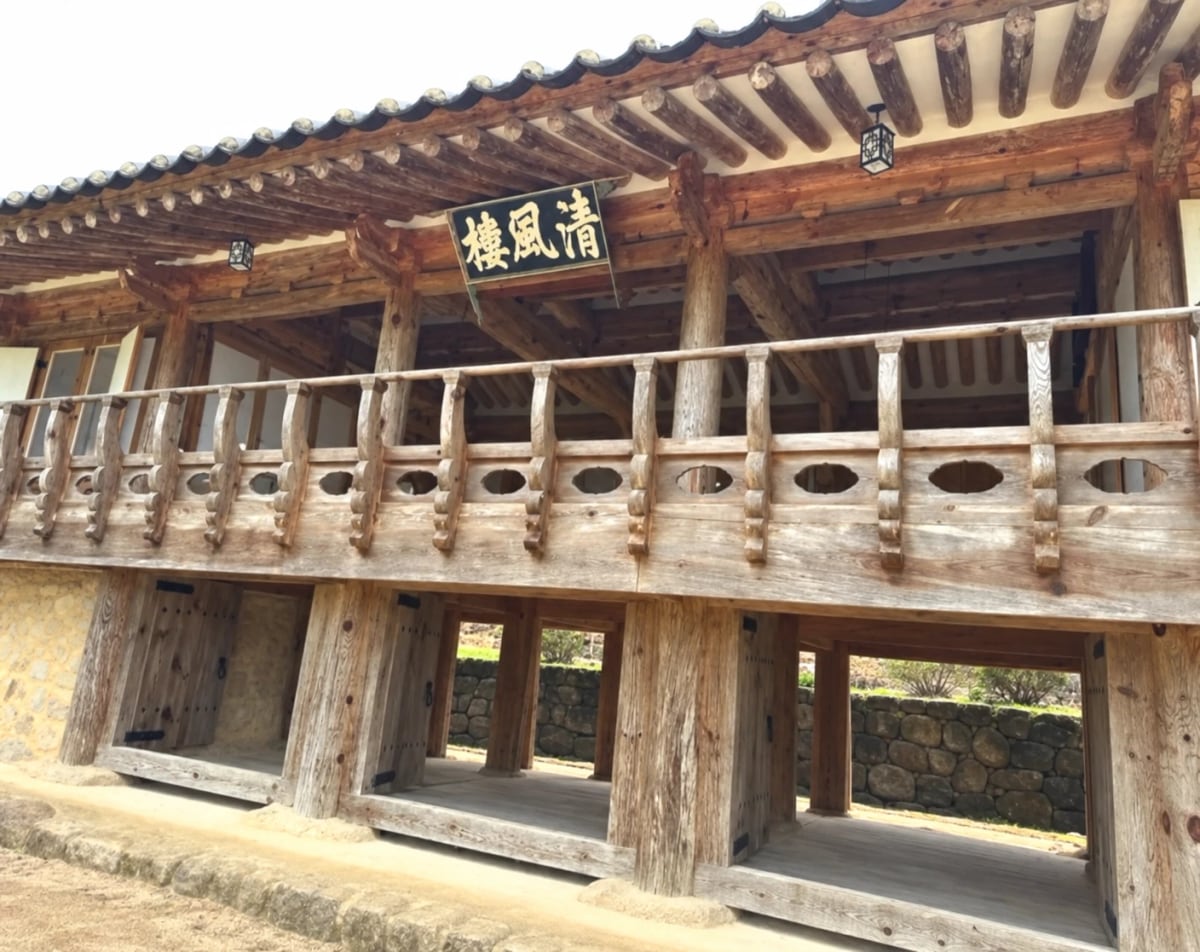
Grave
Choe Jin-rip's tomb is located behind the UNIST campus in Banyeon-ri, Eonyang-eup, Ulju County, Ulsan.
Descendants
His descendants carried on the wealthy Choe household of Gyodong (校洞) in Gyeongju, and his heirs, including the head of the line Choe Jun (Munpa), continued the family across the generations.
Related photos