최치원 崔致遠
Late Silla scholar and prose master who passed the foreign candidates' examination in Tang China
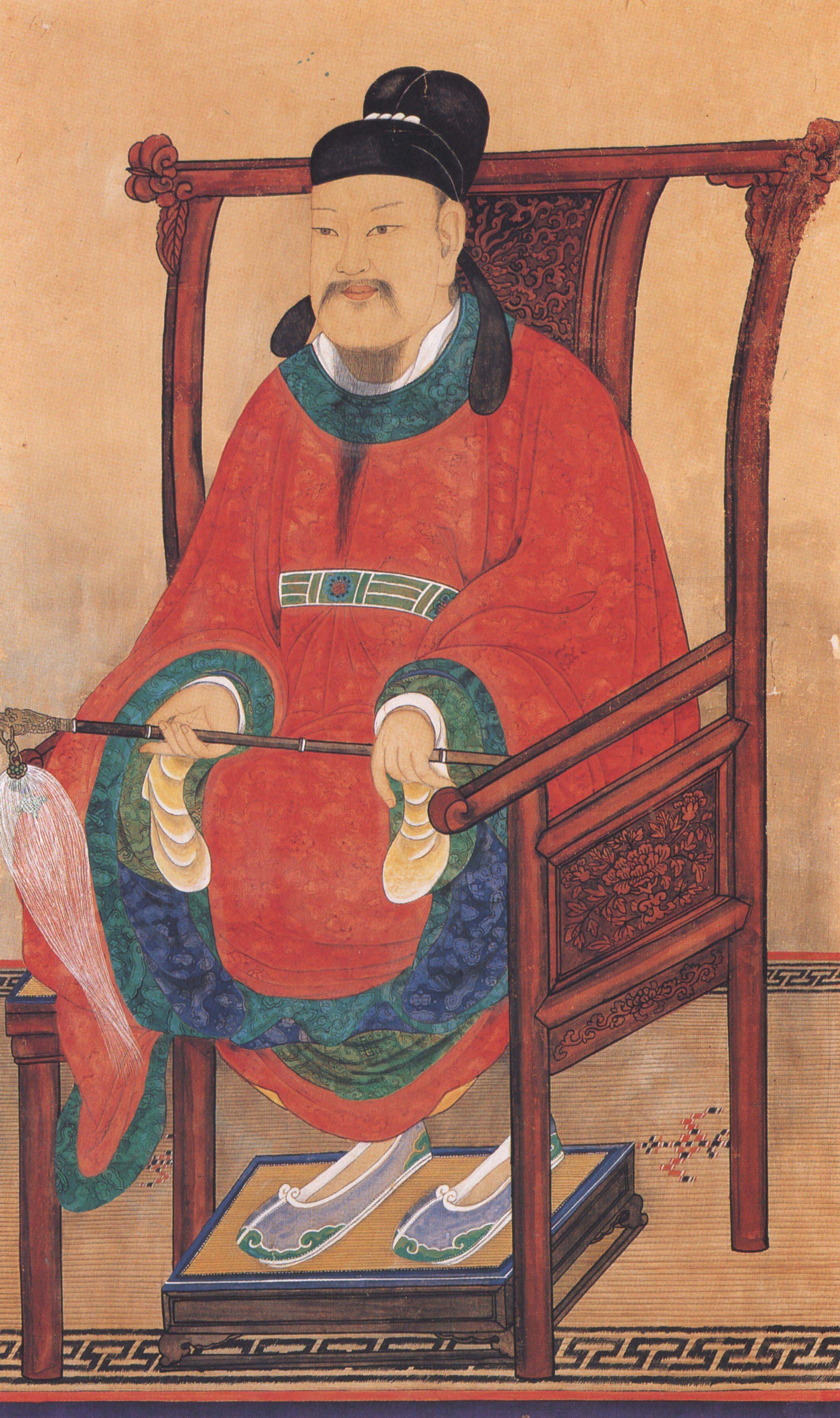
| Life | 857 |
| Era | 신라 |
| Clan | 경주 최씨 |
Life & career
Choe Chi-won (崔致遠, 857-?) was a scholar and prose master of late Silla, with the courtesy names Goun (孤雲) and Haeun (海雲). At the age of 12 he went to Tang China to study and passed the foreign candidates' examination (bin-gong-gwa).
When the Huang Chao Rebellion broke out in Tang, he gained literary fame by composing the "Proclamation Denouncing Huang Chao" (Tohwangso Gyeokmun), and after returning home he submitted more than ten reform proposals (Simu 10-yeojo) to Queen Jinseong. Disappointed by the chaotic politics, in his later years he lived in seclusion at Haeinsa Temple on Mount Gaya and elsewhere.
His writings include the poetry and prose collection Gyewon Pilgyeong and the history Jewang Yeondaeryeok. Regarded as the progenitor of Korean literature in Chinese, he was enshrined in the Confucian shrine (Munmyo).
Descendants
Revered as the founding restorer of the Gyeongju Choe clan, the records transmit a lineage continuing through his son Choe Eun-ham and grandson Choe Seung-no.