이항복 李恒福
Mid-Joseon civil official active during the Imjin War; chief state councillor and Lord of Oseong
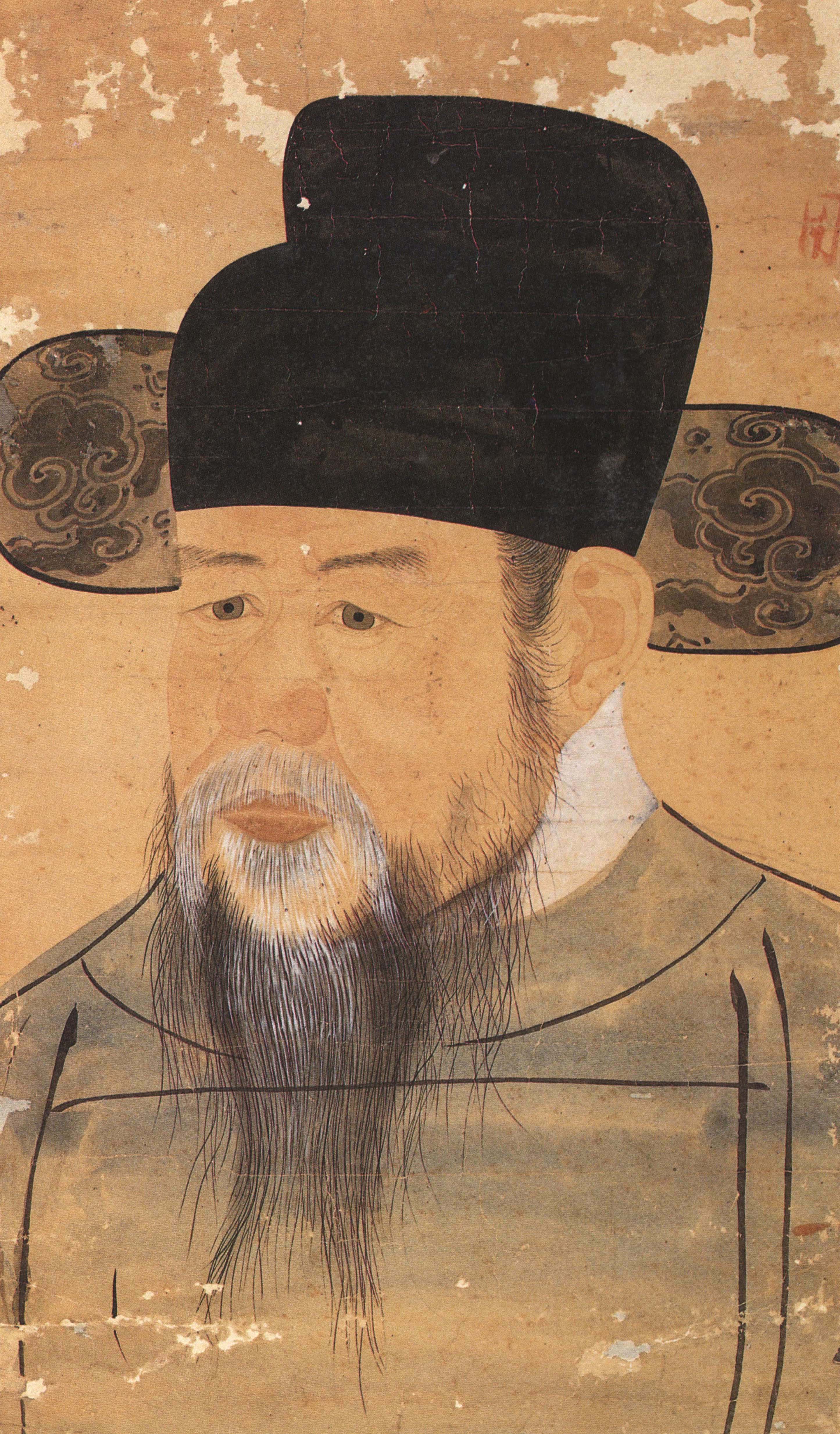
| Life | 1556 ~ 1618 |
| Era | 조선 |
| Clan | 경주 이씨 |
Life & career
Yi Hang-bok, styled Jasang and known by the pen names Baeksa and Pilun, is remembered for his boyhood friendship with Yi Deok-hyeong, celebrated in the popular tale of “Osung and Haneum.” He passed the civil service examination in 1580; his father was Yi Mong-nyang and his wife was a daughter of the general Gwon Yul.
When the Japanese invasions began, he escorted King Seonjo to Uiju and oversaw military affairs as Minister of War, achieving particular distinction in diplomacy with Ming China by refuting false accusations that Joseon had colluded with Japan. In the case of the Ming envoy Ding Yingtai's slander, he personally led a mission to Beijing with Yi Jeong-gu and Hwang Yeo-il to have Ding dismissed and the affair resolved, for which he was named a first-class Merit Subject of Loyal Escort and enfeoffed as Prince Oseong. In 1600 he rose to chief state councillor.
Under King Gwanghaegun he opposed the movement to depose the queen dowager Inmok, was stripped of office, and exiled to Bukcheong in Hamgyong Province, where a recurrence of paralysis led to his death in 1618. He left behind the writings Baeksajip and Bukcheonillok, and received the posthumous title Munchung.
Grave
Geumhyeon-ri, Gasan-myeon, Pocheon, Gyeonggi Province (Gyeonggi Monument No. 24)
Descendants
His descendants include Yi Gwang-jwa and Yi Tae-jwa, who served as chief state councillors under King Yeongjo, and the late-Joseon independence activist brothers Yi Hoe-yeong and Yi Si-yeong are also said to be his descendants.