김장생 金長生
Progenitor of the Giho academic tradition who synthesized Joseon ritual studies (禮學)
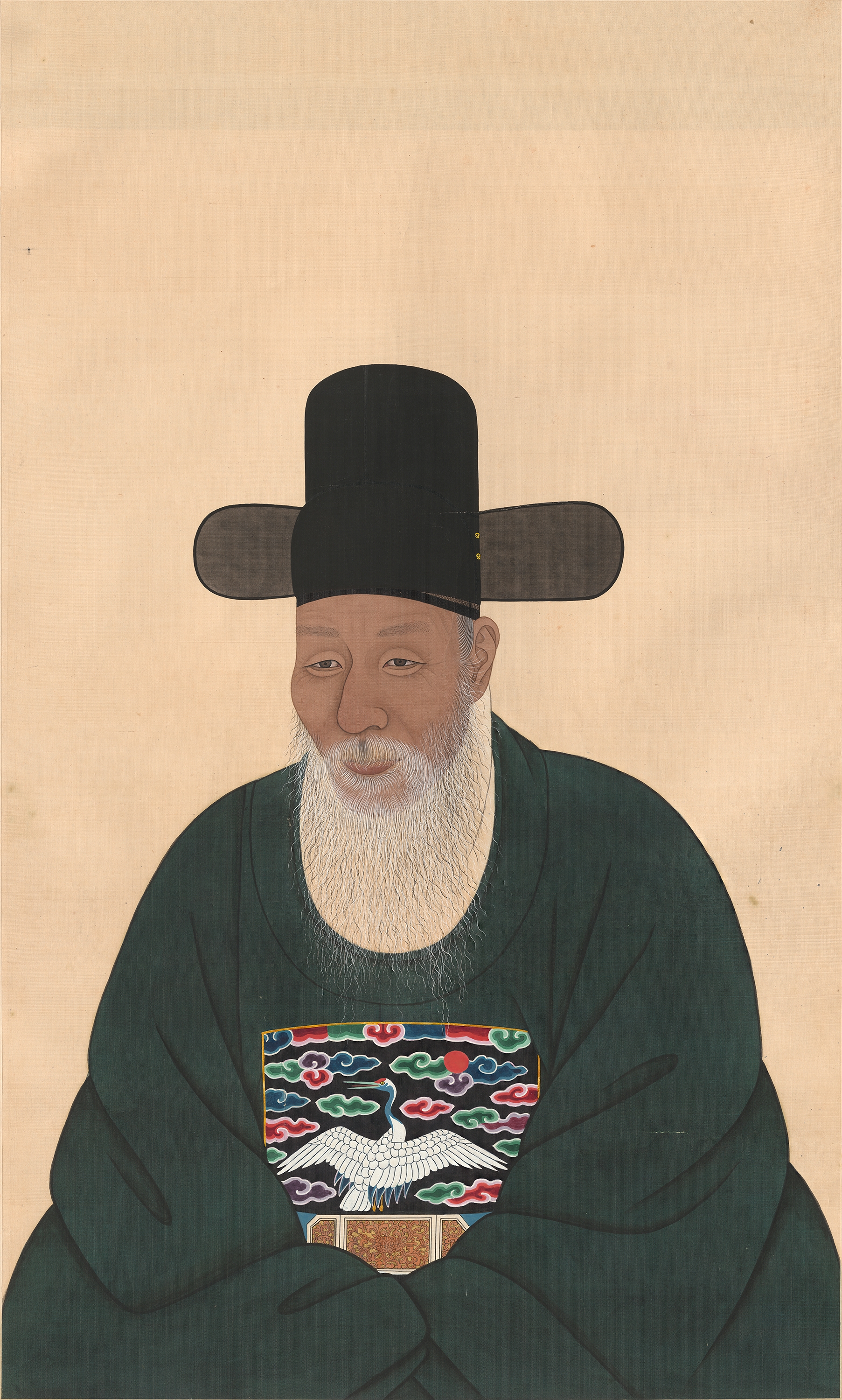
| Life | 1548 ~ 1631 |
| Era | 조선 |
| Clan | 광산 김씨 |
Life & career
Kim Jang-saeng's courtesy name was Hiwon (希元) and his pen name Sagye (沙溪). He learned ritual studies (yehak) from Song Ik-pil and Neo-Confucianism from Yi I, inheriting Yi I's scholarly lineage. Beginning his career as a keeper of Changneung (royal tomb), he governed several counties such as Jeongsan, Anseong, Iksan, and Cheorwon, and later rose to third minister of punishments (hyeongjo champan).
He synthesized Joseon ritual studies in both theory and practice, laying the foundation for the ritual-studies school of the Giho academic tradition and the Westerner faction. In particular he wrote the practical mourning-rites manual Sangnye biyo, as well as the Garye jimnam, Gyeongseo byeonui, and Geunsarok seogui, and his collected works, the Sagye jeonseo, survive.
His learning passed through his son Kim Jip to Song Si-yeol, Song Jun-gil, and others, leading the ritual studies and politics of late Joseon. His posthumous title was Munwon (文元), and he was enshrined in the Confucian shrine (Munmyo).
Grave
His grave is located in Gojeong-ri, Yeonsan-myeon, Nonsan, South Chungcheong Province.
Descendants
His son Kim Jip (Sindokjae, 1574–1656) inherited his ritual studies and was enshrined together with him in the Confucian shrine, and another son was Kim Ban (1580–1640).