신립 申砬
Mid-Joseon military commander; Inspector General of the Three Provinces (posthumous name Chungjang)
| Life | 1546 ~ 1592 |
| Era | 조선 |
| Clan | 평산 신씨 |
Life & career
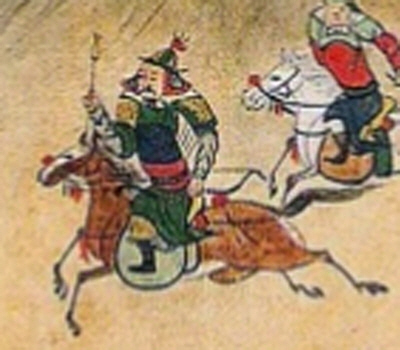
Sin Rip (申砬, 1546-1592) of the Pyeongsan Sin clan was a mid-Joseon military commander. He passed the military examination in 1567 and won fame in 1583, as magistrate of Onseong, by repelling the Jurchen chieftain Nitanggae; he was known as an outstanding cavalry commander and archer.
When the Imjin War broke out he went to Chungju as Inspector General of the Three Provinces. Despite proposals to hold the Choryeong pass, he camped at Tangeumdae with the Dalcheon plain behind him, and on the 28th day of the fourth lunar month of 1592 he was crushed by Konishi Yukinaga's army and is said to have drowned himself in the Namhan River (Japanese sources say he was beheaded).
He was posthumously made Chief State Councillor and given the name Chungjang. His tactical judgment is still debated.
Birth and Family
Sin Rip (申砬, 1546-1592) of the Pyeongsan Sin clan, courtesy name Ipji, is said to have been born on the 23rd day of the 10th lunar month of 1546 as the third son of Sin Hwa-guk and his wife of the Papyeong Yun clan. He descended from the clan's founder Sin Sung-gyeom, and his fifth-generation ancestor was the Left State Councillor Sin Gae.
His father, a licentiate (saengwon), was posthumously raised to Chief State Councillor on account of his son's merit. His brothers included Sin Jap, who was later named a meritorious subject for escorting the king, as well as Sin Geup and Sin Hal. A niece through his sister Sin Ji-hyang married Prince Jeongwon, so King Injo was Sin Rip's nephew by marriage-line; accounts of sibling order and kinship vary slightly.
Military Examination and Early Posts
Sin Rip passed the military examination in 1567 at age 22, with one source listing him at 14th place in the third class. After serving as a royal guard officer (seonjeongwan) and as assistant magistrate of Jinju, among other posts, he is said to have studied letters under Yang Eung-jeong.
His career was not smooth. Around 1587 he was impeached and dismissed, then restored as Army Commander of South Hamgyeong, only to be moved to a sinecure after punishing a subordinate. He reportedly served as Army Commander of Pyeongan in 1590, although sources differ on timing and titles.
Fame on the Northern Frontier
In 1583, while serving as magistrate of Onseong, he met an incursion by the Jurchen chieftain Nitanggae along the Tumen River with a cavalry force and drove it back, winning wide fame. Many writers see this success as the root of his later confidence in cavalry tactics.
Some sources say he was named Army Commander of the Northern Province in 1584. Hamgyeong lay on the Jurchen border, and service there was a major source of renown for a Joseon officer.
Reputation as Archer and Cavalry Commander
Sin Rip was counted among the finest archers and cavalry leaders of his day. His northern victories raised expectations that he was Joseon's foremost general, and it is generally understood that this reputation led the court to entrust him with the last line of defense in the early invasion.
Records also describe him as harsh toward subordinates, so praise for his courage and authority sits beside criticism of his severity.
The Imjin War and Appointment as Inspector General
After Busanjin and Dongnae fell in April 1592, Sin Rip was appointed Samdo Dosunbyeonsa (Inspector General of the Three Provinces) and received the king's sword of authority. With Kim Yeo-mul as his aide, he gathered troops in the capital and marched to Chungju; estimates of his force range from about 8,000 to as many as 16,000.
He reached Chungju around April 26 and stationed troops at Danwol Station. He is said to have considered executing Yi Il, who had fled after the defeat at Sangju, but spared him to redeem himself at the front. One account also says that in 1591 he argued for abolishing the navy but was opposed by Yi Sun-sin (this needs source verification).
Choryeong or Tangeumdae: The Debate
Aide Kim Yeo-mul urged holding the steep Choryeong (Saejae) pass and shooting down from the heights, and Yi Jong-jang and Yi Il are recorded as making similar arguments; Yi Il is also said to have favored a Han River line.
Sin Rip reasoned that since the Japanese were infantry and the Joseon force was cavalry, it was better to lure the enemy onto open ground. He camped near Tangeumdae with the Dalcheon plain at his back. A folk legend says a maiden's ghost told him to choose Tangeumdae, but this cannot be treated as fact.
The Battle of Tangeumdae and His Death
On the 28th day of the fourth lunar month of 1592, the Japanese army under Konishi Yukinaga arrived from the direction of Danwol Station. On the paddy-filled, muddy ground the cavalry could hardly maneuver, and the Japanese enveloped the Joseon force from both flanks with arquebus and bow fire. Sin Rip tried two or three charges without success.
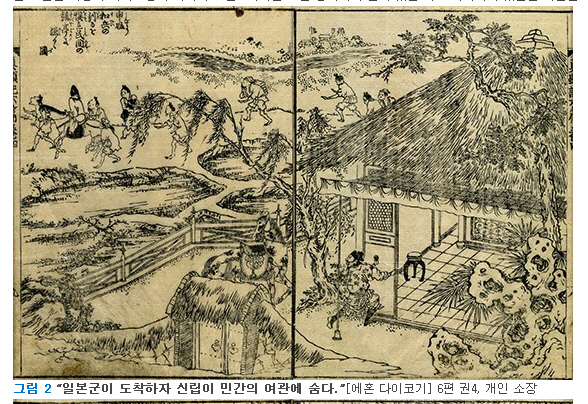
When the line collapsed, the Joseon troops were driven toward the Dalcheon and Namhan Rivers and most perished. Joseon sources say he threw himself into the river together with Kim Yeo-mul, whereas Japanese accounts such as Luis Frois's History of Japan and the Ehon Taikoki say he was beheaded, so the manner of his death is disputed. His age at death is also given as 45 or 47.
After the defeat the Japanese advanced quickly on Hanseong and King Seonjo fled the capital. Casualty figures vary widely between sources and cannot be stated with certainty.
Tactical Debate and Assessments
Critics argue that he ignored the terrain, relied on a cavalry charge, abandoned the strategic Choryeong pass, and failed to command the trust of his men. The execution of the officer who brought a scouting report is often cited as a misjudgment.
Defenders reply that holding the pass would not necessarily have changed the outcome given the risk of being flanked, and that his hastily raised troops reflected deeper limits in Joseon's standing army and supply system. The debate continues among scholars and the public.
Posthumous Honors and Tomb
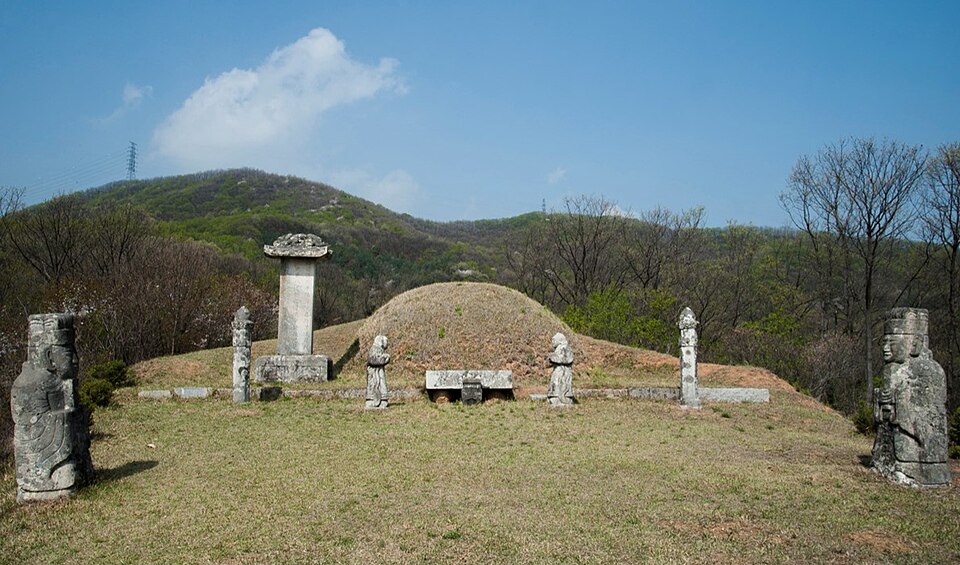
He was posthumously raised to Chief State Councillor with the title Prince of Pyeongyang, and was given the posthumous name Chungjang (忠壯). His tomb, in Sinde-ri, Gonjiam-eup, Gwangju, Gyeonggi Province, was designated Gyeonggi Provincial Monument No. 95 in 1986.
The stele is said to have been erected in 1703 (29th year of King Sukjong), with text by Song Si-yeol and calligraphy by Sin Ik-sang. Place-name legends around Gonjiam are tied to the carrying of his body home.
Family and Descendants
Sin Rip is said to have married ladies of the Jeonju Yi and Jeonju Choe clans. His eldest son Sin Gyeong-jin took part in the 1623 Injo Restoration and rose to Chief State Councillor; he also had sons Sin Gyeong-yu and Sin Gyeong-in. A daughter, Sin Je-sun, reportedly became consort of Prince Sinseong, a son of King Seonjo.
The independence activist and politician Sin Ik-hui is recorded as a 12th-generation descendant of Sin Gyeong-in.
Records and Popular Culture
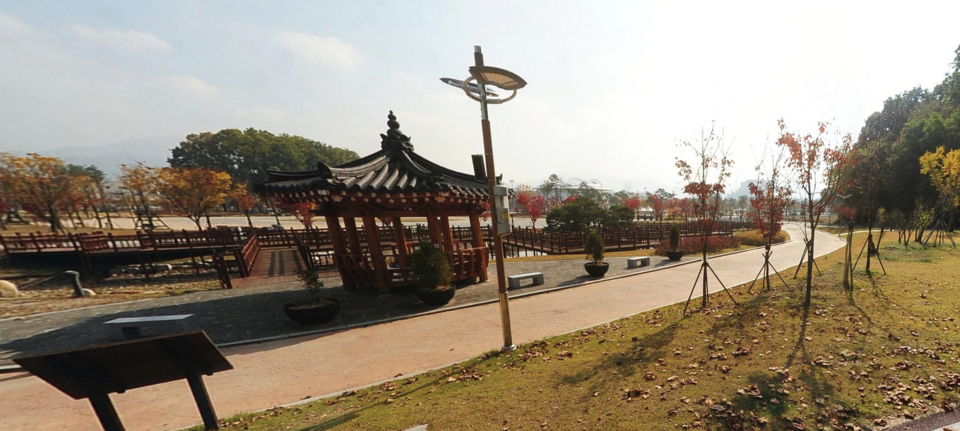
Sin Rip's deeds are recorded in the Veritable Records of King Seonjo, Yu Seong-ryong's Jingbirok, and the Nanjung Japrok, and on the Japanese side in Frois's History of Japan and the Ehon Taikoki. Tangeumdae in Chungju has a park and sites commemorating the battle.
Television dramas portray him differently: as an incompetent general in Immortal Admiral Yi Sun-sin (2004) and as a more rational figure in Jingbirok (2015), showing how interpretations have shifted.
Grave
His tomb is in Sinde-ri, Gonjiam-eup, Gwangju, Gyeonggi Province, designated Gyeonggi Provincial Monument No. 95 in 1986.
Descendants
His eldest son Sin Gyeong-jin, a merit subject of the Injo Restoration, became Chief State Councillor; Sin Ik-hui is recorded as a 12th-generation descendant of Sin Gyeong-in.
Related photos